
Welcome. We're so glad you're here.
Thank you for considering becoming a foster parent to a dog in need. This course is the Good Boy Foundation's invitation to learn about fostering: what it really is, what it really takes, and the quiet, world-changing work it does for dogs who would otherwise wait too long, in places that are too loud, for someone like you to say yes. The course is built around one principle: patience. Every module returns to it.
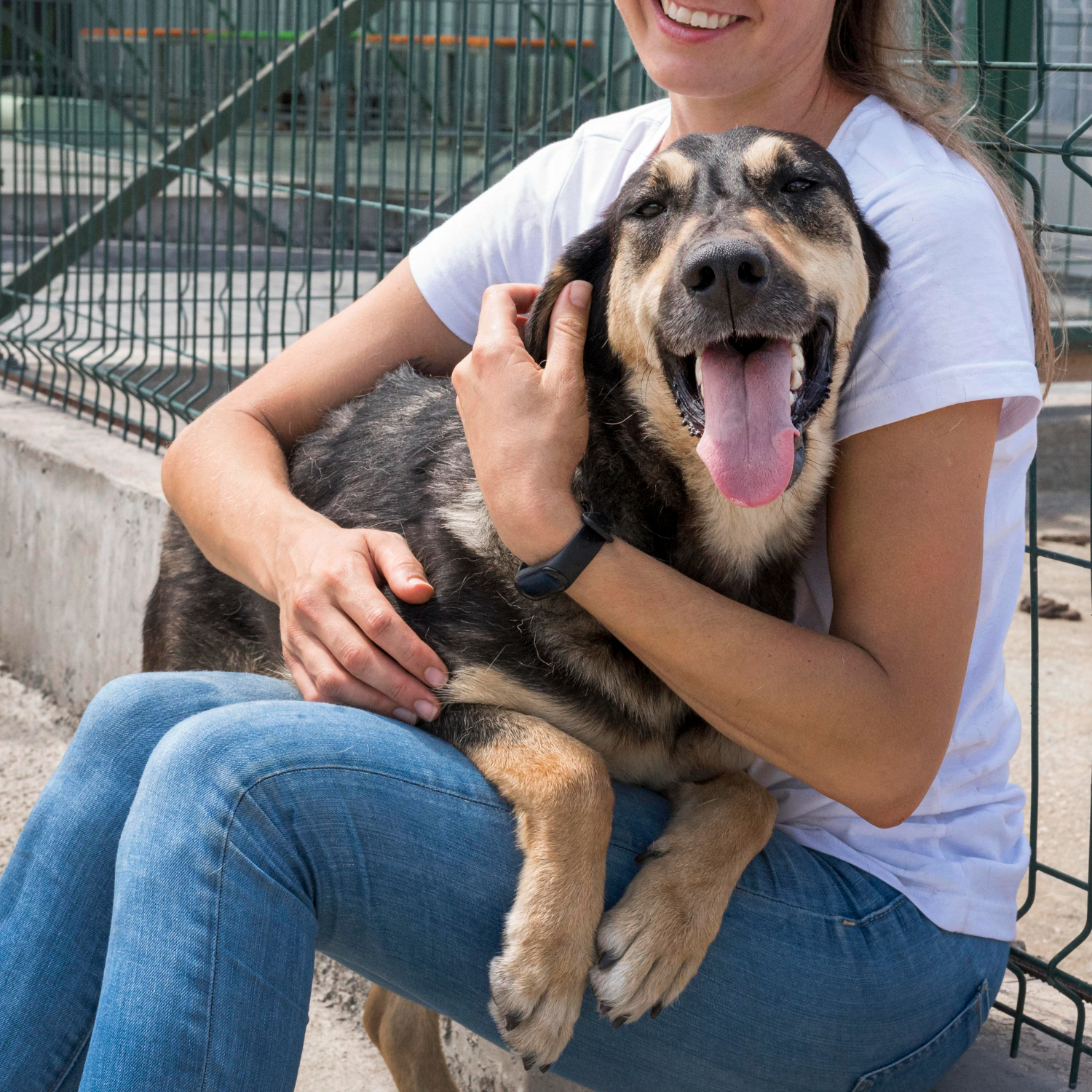
Before you read a single word of practical advice, hold onto this: patience is the single most important quality you bring to a foster home. Everything else in this course is technique. Patience is the soul of it.
This course is just the start. Visit our full education library for in-depth resources on everything you could ever want to know about loving and caring for a dog. Always free, always accessible, 24/7.
www.goodboyfoundation.org/educationThe lifesaving math, plainly
When you bring a foster dog home, you do not save one life. You save at least two. The dog in your living room is one. The kennel they walked out of is the other, a kennel that now opens for another dog the shelter can pull off the euthanasia list, accept from an owner in crisis, or rescue from a stray situation that was going to end badly.
The math compounds. If you foster four dogs in a year, you have not saved four lives. You have saved at least eight, and in a high-volume shelter, often many more, because each foster placement creates capacity that ripples through the system for months.
A multi-site study of nearly 28,000 dogs across 51 shelters, supported by Maddie's Fund, found that temporary foster stays made a shelter dog more than 14 times more likely to be adopted, and even short outings increased adoption likelihood by 5 times.
One thing to know up front: foster dogs come in every temperament
This course talks a lot about decompression, patience, and the dog who needs time to come out of their shell. Those conversations matter, and the framing keeps you ready for the dogs who genuinely need it. But it is worth saying clearly: not every foster dog is shut down, anxious, or fearful. Many are not.
You might get a dog who needs weeks to come out from under the bed. You might also get a dog who walks in, finds the couch, falls asleep, and acts like they have lived there all year. Both are normal foster dogs. Both deserve a calm landing. The difference is mostly how visible the patience needs to be. The principles do not change.
Why the kennel is not enough
Even a clean, well-run shelter is a stressful environment for a dog. The concrete echoes, strangers walk past constantly, other dogs bark at every hour, and very little of the day is in the dog's own control. Cortisol, the body's primary stress hormone, climbs and stays elevated. A quiet home, even briefly, lets that load come down.
That cortisol drop is not a comfort metric. It is a personality metric. A dog who can finally exhale shows the rescue who they actually are: sweet, silly, snuggly, scared of brooms, loves kids, loves naps. Those notes get turned into a real bio. The real bio gets turned into a real adoption.
What fostering does for the rescue
A foster network is how small rescues exist at all. Many of the rescues you love have no building, no kennels, no public address. They exist because people like you offer a couch and a corner of a room. The bigger the foster network, the more dogs the rescue can say yes to, and the harder cases they can take on.
What you'll learn in this course
Across fifteen core modules, plus five optional specialty deep dives, this course walks you through everything a thoughtful first-time foster needs:
- Why fostering matters and how it actually works.
- The most common myths that talk people out of it, and the honest truth about each one.
- What the rescue provides, what you provide, and how to communicate well together.
- How to prepare your home and your mindset before pickup day.
- Decompression, the single most important skill in fostering, and the patience that has to come with it.
- The 3-3-3 rule, what it gets right, and what it gets wrong.
- How to read what your foster is telling you with their body, not just their bark.
- Routine, house training, crate training, and positive-reinforcement basics.
- Safe introductions to people, kids, and resident pets.
- How to market your foster for the right adopter, photos, video, bios that actually work.
- The emotional side: saying goodbye, foster failing, and what it teaches you about your own readiness for pet parenthood.
- Five specialty modules: puppies, bottle babies, seniors and fospice, medical fosters, and behavior cases.
How to take this course
Take it slowly. Take it with the people who will share your foster's life with you. Read with a notebook nearby. Pause when something hits home.
Your progress saves automatically in this browser, so you can come back across days. There is a quick check at the end of each module to help things stick. When you finish the fifteen core modules, you'll unlock a personalized completion certificate. The five specialty modules are optional, opt in to any that apply to the kind of foster you want to be.
The Good Boy Foundation was founded in May 2024 by Winter Fate Morvant in honor of her soul dog of 16.5 years, Deuce. Our work is dedicated to strengthening the bond between people and dogs, and few things strengthen that bond at scale the way fostering does. You showing up here matters. You finishing this course matters even more.
Saving one dog will not change the world, but surely for that one dog the world will change forever.

Every foster home opens a kennel for the next dog the shelter can save.
Keep learning
A few extra resources to deepen what this module covered.
The seven reasons people talk themselves out of fostering.
If you have ever said any of the following sentences out loud, this module is for you. Most of the people who would make excellent fosters never sign up, not because they would be bad at it, but because they believe one of seven myths. Let's walk through each.
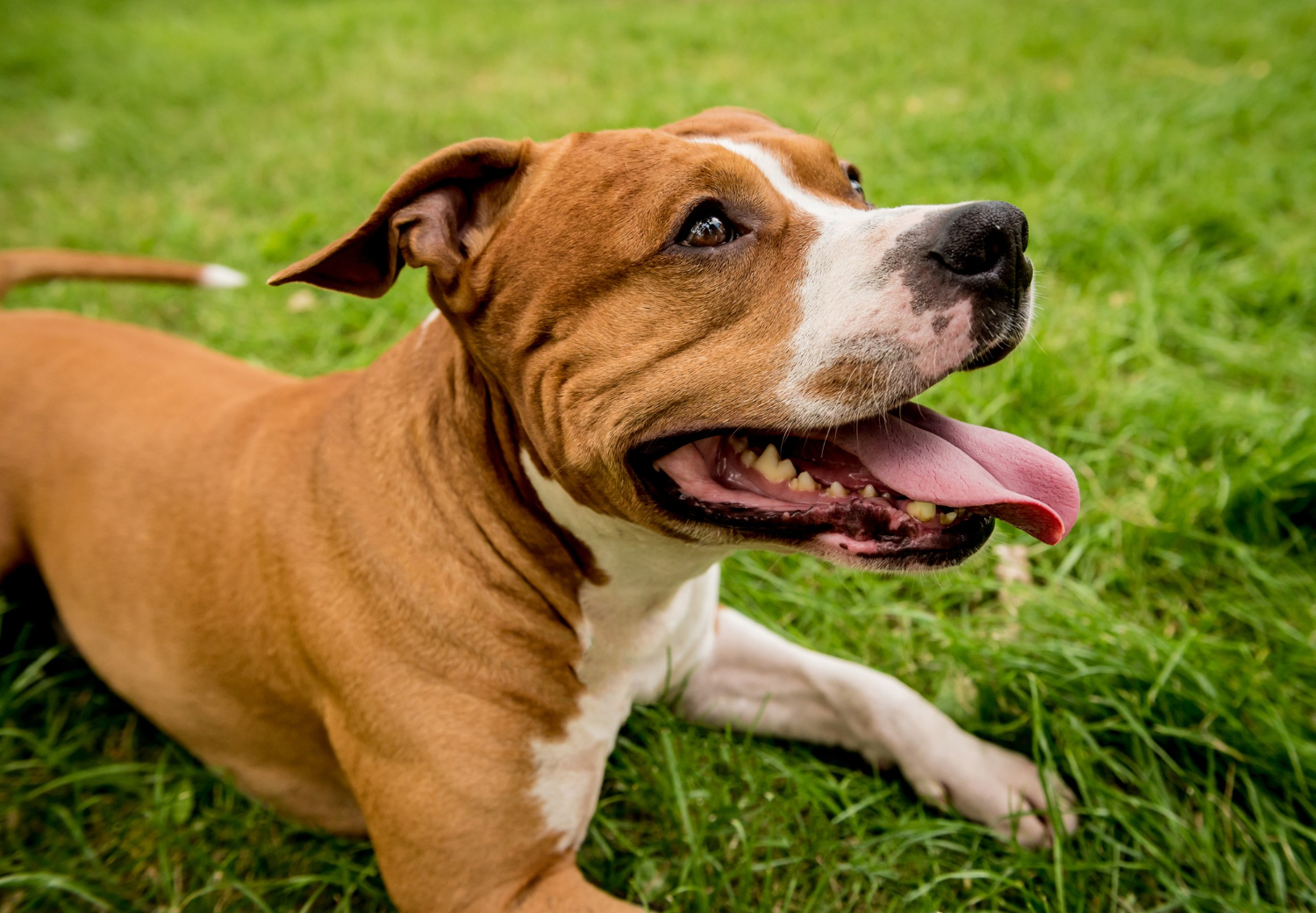
If a myth has you on the fence, patience is the answer. Give the idea time. Foster once. The rest of the myths fall apart on their own.
Myth 1: "I need a big house or a yard."
You do not. Most dogs do fine in apartments, townhouses, or small homes as long as their daily needs, sleep, food, potty, gentle exercise, a quiet corner, are met. Size does not predict energy level. Many of the largest breeds are famously the laziest, and many small breeds are tireless.
What dogs need is not square footage. It is calm, routine, and a person who pays attention.
Myth 2: "It costs too much."
Reputable rescues cover the major expenses. Food, basic supplies, routine veterinary care, prescription diets when needed, and emergency vet care are the rescue's responsibility, not yours.
You may choose to spring for an extra toy or a special blanket. That is generosity, not requirement. If anything in a foster placement starts to feel like it should be covered by the rescue, ask. A good rescue would rather pay for it than lose you.
If you do want to help the rescue stretch their dollars further, it is very easy to find lightly used crates, bowls, beds, leashes, and other foster supplies on neighborhood platforms like NextDoor and Buy Nothing groups on Facebook. A lot of times these things are free for the asking. Anything you can source for a foster placement (yours or someone else's) takes a real expense off the rescue's plate and frees up money for vet care.
Myth 3: "I don't have enough experience."
The most important qualification to foster is willingness. Rescues provide training resources, foster coordinators, and behavior support. They will not throw you into a situation you cannot handle.
You are reading a 15-module course right now. That alone puts you ahead of most first-time fosters. The rest is showing up, paying attention, and asking the rescue when you're unsure.
Myth 4: "I work full time, so I can't foster."
Many adult dogs are content to rest during a workday, especially during decompression, when most foster dogs sleep more than they do anything else. A solid morning routine, midday potty break (you, a neighbor, or a trusted dog walker), and a calm evening together is plenty for the majority of foster dogs.
Some dogs do need more flexibility: bottle babies, puppies in active house training, dogs with separation distress, medical recoveries with frequent dosing. Tell your rescue what your day actually looks like, and they will match you with a dog whose needs fit your hours.
Myth 5: "I won't be able to give them up."
This is the most common fear. It is also the most important reframe in this course: saying goodbye is the goal. Every goodbye creates room to save another dog. Most fosters do cry on adoption day. That is not weakness. That is the cost of having loved a dog well enough to send them to a great home.
If you genuinely cannot let go, you do not become a "failed" foster. You become a "foster fail," which is the affectionate name for adopting the dog you were temporarily caring for. The dog wins either way (Module 14).
Myth 6: "Shelter dogs are broken or dangerous."
Most shelter dogs are not in the shelter because something is wrong with them. They are there because something happened to their person: a move, a job loss, a divorce, a death in the family, an illness, an unexpected baby, a landlord who changed the rules.
The dogs themselves are mostly regular dogs who lost the wrong roll of the dice. The kennel environment can make any dog stressed, even the most confident of dogs. No dog is truly their best self in a loud, limited-touch, high-cortisol space. That is exactly the gap a foster home fills.
One of the most quietly miraculous things in foster work is how fast the change can happen when the conditions are right. We have seen completely shutdown dogs turn into recognizably different dogs in a matter of days, sometimes just from the companionship of a confident resident dog showing them how a home actually works. It happens a lot, actually. Time and a safe landing do more for these dogs than any training plan ever could.
Myth 7: "I already have pets, so I can't foster."
Many rescues actively want fosters with resident pets, especially for foster dogs who need to learn how to live with other animals before adoption. The non-negotiable is that introductions happen slowly and carefully (Module 11), with the rescue's guidance.
If your resident dog is dog-reactive, severely anxious, or medically fragile, fostering may not be a fit right now, or it may mean only fostering dogs your dog can comfortably ignore. Honest conversation with the rescue handles this.
If you find yourself reaching for an excuse, gently ask: is this a real constraint, or is it fear of doing it imperfectly? Foster homes do not have to be perfect homes. They have to be safe ones, with a person who is willing to pay attention and ask for help.
You are not alone in this.
Fostering is a partnership. The rescue does some of the work, you do some of the work, and the dog gets the benefit of both. Understanding the lines clearly upfront prevents almost every friction point that comes up later.
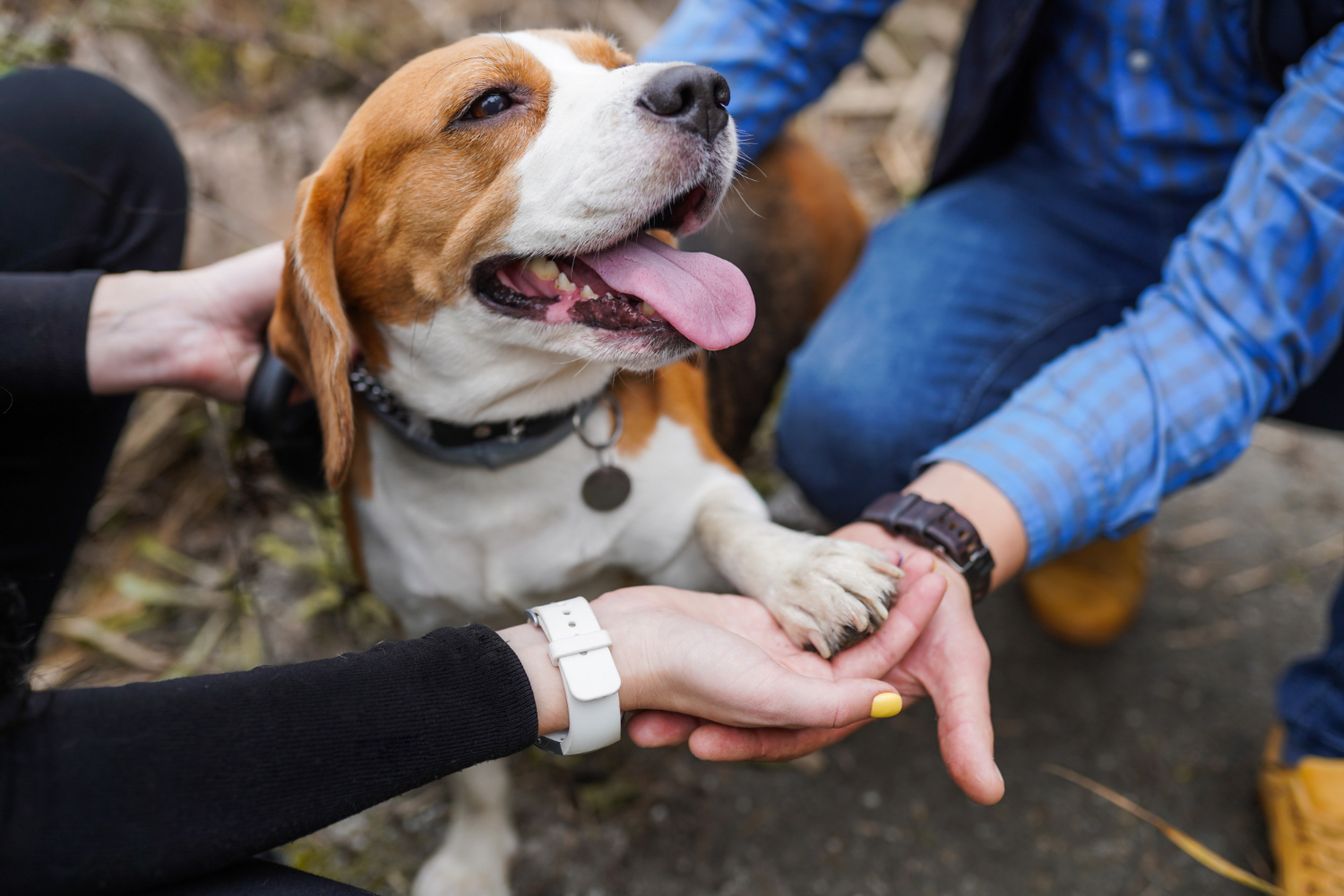
When you do not know what to do, ask the rescue. When you are not sure if it is normal, ask the rescue. The patient foster is the one who asks first and acts second.
You are the home. The rescue is the team behind you.
A foster is a volunteer caregiver providing a temporary home. The rescue or shelter remains the legal owner and the decision-maker for the dog until the day the adoption is finalized. That distinction matters, especially in the moments when something comes up fast: a medical emergency, an adoption application you are not sure about, a behavior you want to address. In each of those moments, the rescue is the call. Your job is to bring them the information.
If that sounds like less freedom than you expected, reframe it. It is more support than you expected. You are never alone with a hard decision. You have a coordinator, a vet team, and often a community of other fosters one text message away.
What the rescue typically provides
Reputable rescues take the financial and logistical weight of the dog off the foster's shoulders. What that looks like in practice varies by rescue, but the standard set is:
- Food, including prescription diets when the dog needs them.
- Basic supplies: crate, collar, leash, ID tag, bowls, if you do not already have them.
- Routine and emergency veterinary care, scheduled through the rescue's vet partners.
- Behavior support and a named foster coordinator you can contact when something comes up.
- Marketing: the adoption listing, social posts, and adoption-event coordination.
If something the dog needs is not on this list and the cost is becoming a burden for you, ask. A good rescue would rather pay for the dog bed or the urinary diet than lose you as a foster over it.
What you provide
Your contribution is the part the rescue cannot do from inside a building. You are the home. You are the eyes. You are the person who knows that this dog gets nervous when the laundry buzzer goes off, that he will not eat unless the bowl is set down quietly, that he gives a small shake-off every time he gets a treat. That kind of knowing only happens in a home.
Practically, that translates into:
- A safe, calm, predictable environment.
- Daily feeding, potty breaks, walks, and care.
- Careful observation of personality, quirks, and needs, reported back honestly.
- Photos, video, and short bios that the rescue can use to find this dog a great match.
- Transportation to scheduled vet appointments, meet-and-greets, and adoption events.
What stays with the rescue, not with you
A handful of decisions are intentionally not yours to make. They belong to the rescue:
- Final medical decisions.
- Final approval of adoption applications.
- Authority to recall the dog if needed, for medical, behavioral, or matching reasons.
You will have opinions. Share them. The rescue wants your input on whether an applicant feels right, what concerns you about a behavior, or whether you think the dog needs another week. But the final word stays where the legal responsibility sits.
A great foster is not the one who knows everything. It is the one who asks early, reports problems honestly, and trusts the rescue's processes. If something feels off, send the message. If you are not sure whether something is normal, send the message. Your rescue would much rather hear from you on a small thing than be surprised by a big one.
Before they arrive, and before you say yes.
Two pieces of homework belong before the foster application is signed: confirming the dog is a real fit for your life, and confirming your housing actually allows the dog. The rest of this module covers the physical prep once those two yeses are in hand.
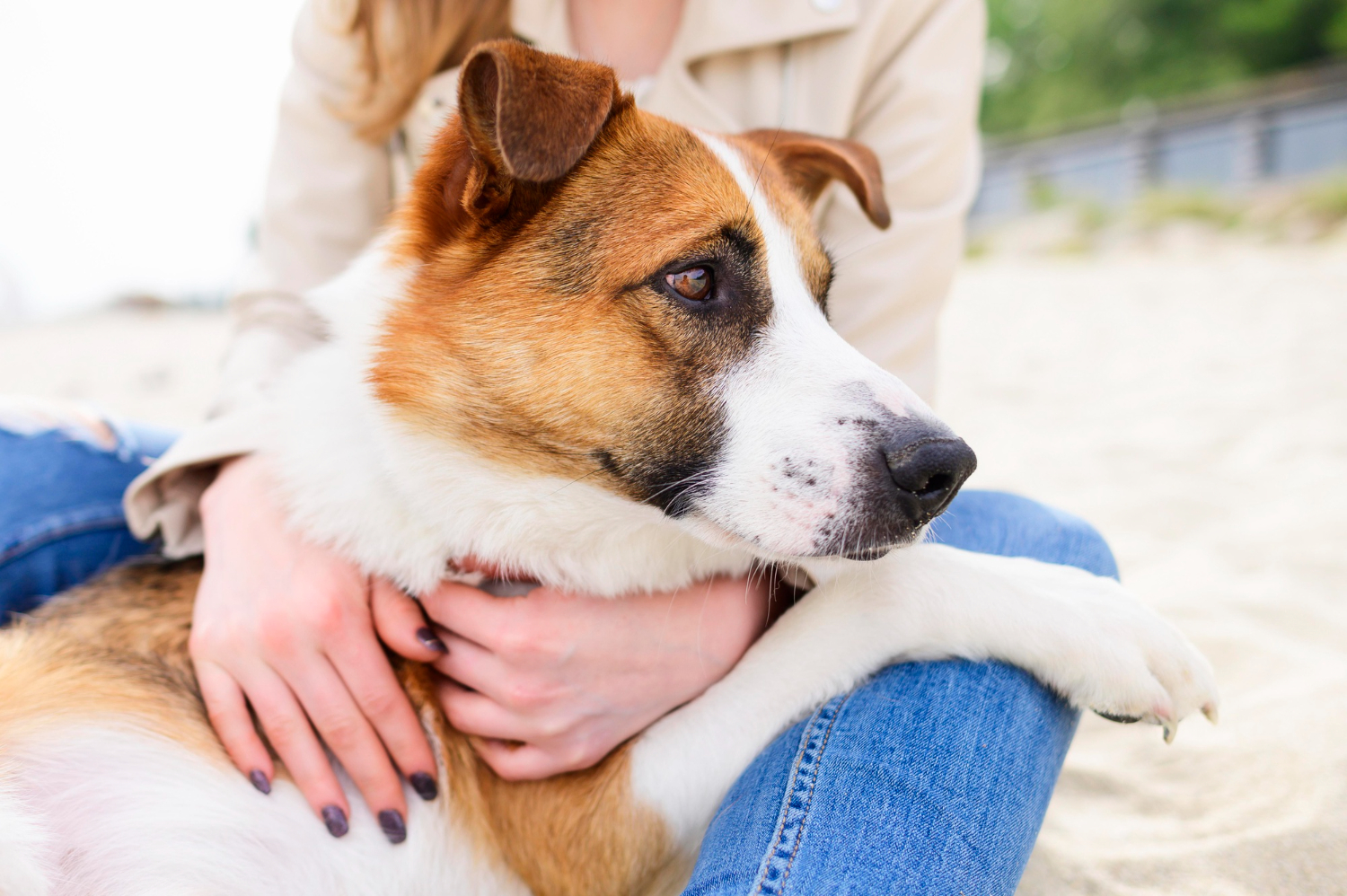
Take the day to read the lease. Take the week to set up the room. Take the breath to ask the rescue about the breed. None of it slows things down. All of it speeds the right placement up.
Before you say yes: does the breed actually fit your life?
Breed is not destiny, and every individual dog is their own dog. But breed tendencies are real, and they often predict the parts of fostering that get hardest: how much exercise the dog needs, how vocal they are, how much they shed, whether they will pull on a leash for the rest of their life, what their prey drive looks like, and how alone they can be during your work day.
Before you accept a placement, get honest about your real life, not your aspirational one. A few examples:
- If your landlord is strict about noise complaints, a Husky, Beagle, or other vocal breed is probably not the right fit right now. Many of these dogs talk, howl, or alert-bark.
- If you are a couch potato, a Belgian Malinois, Border Collie, or working-line herding or sport breed will out-energy you in 48 hours, and a bored working dog finds its own jobs (your couch, your baseboards, your shoes).
- If you have small resident pets (cats, rabbits, small dogs), mention them to your foster coordinator and ask whether the dog has been tested around those species. The rescue often knows, or can find out, and a quick conversation up front prevents a stressful situation later.
- If you live in a small apartment with thin walls, very large dogs and very loud dogs both create friction with neighbors. Not impossible, just real. Try to build a good relationship with your neighbors before and during the foster: introduce them to the dog (when the dog is ready), tell them what you are doing, get the neighborhood excited. People are almost always more understanding after meeting a foster dog in person.
- If your job is long hours away from home, breeds prone to separation distress (Velcro breeds, herding breeds, many doodles) need either a different foster home or a real midday plan.
- If you have young kids, dogs with high prey drive, low handling tolerance, or unknown bite histories are usually not a first-foster fit.
None of this is to say "only take an easy dog." It is to say: tell the rescue what your life actually looks like, and ask them to match the dog's needs to it. A great rescue would rather have an honest conversation up front than a returned foster two weeks later.
Before you say yes, ask: what is this dog's energy level on a 1 to 10 scale? Are they vocal? How are they with cats, kids, other dogs? Are they crate trained? Any known triggers? What does an average day look like for them in the current foster or kennel? The rescue will not know everything, but they will know more than the listing tells you.
Before you say yes: get the landlord and lease check in writing
If you rent, this step is not optional, and it belongs before the foster application, not after. A casual yes from a landlord can be retracted. A lease clause you missed can become an eviction notice. Some of the most heartbreaking foster returns we see are the ones where the housing did not actually allow for a dog in the first place.
Walk through the following before you sign on for a placement:
- Read your actual lease. Look for: a no-pets clause, a one-pet limit, a weight limit (often 25, 35, or 50 pounds), a breed restriction list, a pet deposit, a per-pet monthly pet rent, and any language about "approved animals."
- Get written landlord consent. An email is fine. A text screenshot is fine. Anything you can produce later if asked. A verbal "sure" is not protection.
- Confirm whether foster dogs are treated like resident pets. Most landlords treat them the same, even when the rescue retains legal ownership. Ask directly. Do not assume foster status creates an exception.
- Watch the weight and breed limits closely. If your lease caps at 25 pounds, do not accept a 40-pound foster, even temporarily. If your lease excludes pit-bull type dogs, Rottweilers, German Shepherds, or other commonly restricted breeds, do not accept those placements until and unless the landlord agrees in writing.
- Check your renters insurance. Some policies exclude certain breeds. A bite incident on an excluded breed can mean the claim is denied.
- Check pet limits in HOA, condo, or co-op rules if applicable. These can be stricter than the lease.
- If you already have a resident pet, count both. A "one dog" lease plus a resident dog means a foster dog is your second, which may put you over the limit.
If you are not sure your housing allows the dog you are about to foster, do not start the application. Ask the landlord first, in writing, and then come back. A dog who has to be returned because of a housing issue gets one more rehoming on their record, which makes the next adoption harder. The rescue and the dog both lose. Get the yes first.
Set up a decompression space
Pick one quiet room, or one quiet corner of a room, where the dog can land. Lower traffic. Away from the front door. Away from windows that look out at sidewalks where strangers and other dogs walk past. This is where your foster will sleep, eat, and retreat for at least the first several days, so think of it as a small studio apartment built around safety rather than a place to entertain.
Stock the basics
You do not need much. The rescue will supply most of it, but check with them first so you are not duplicating. The core list:
- A crate with soft bedding. If the rescue can give you a blanket the dog has already slept on, take it. The smell is grounding.
- Food and water bowls, placed in the decompression space rather than the family kitchen.
- A leash, a collar with an ID tag, and a harness if the rescue provides one.
- A small set of approved chews and a couple of simple, safe toys. Skip squeakers and rawhide.
- An enzymatic cleaner for accidents. Regular cleaners will not neutralize the smell a dog can detect, which means the dog will keep returning to the same spot.
Dog-proof the space
Hide medications, toxic foods (chocolate, grapes and raisins, xylitol, onions, garlic, macadamia nuts), electrical cords, small swallowable objects, and any houseplants known to be toxic to dogs (the ASPCA maintains a toxic plant list). Then walk through the dog's space on your hands and knees, once. You will see at least three things you missed standing up. A loose AirPod, a dropped pill, a Lego under the couch, a cord at the perfect height to be chewed.
Plan the first 24 hours
Before the dog arrives, decide on paper who is doing what. Who is the primary caregiver for the first week? Who is the point of contact with the rescue if something comes up? How will the household behave the moment the dog walks in the door (which should be quietly and without ceremony)?
Set expectations with everyone who lives with you. The first days are quiet by design. No welcome party. No visitors. No off-leash time. No dog parks. The first day is not the day to show your foster off, even though you will want to.
You are not bringing home a pet that already loves you. You are bringing home a guest who is exhausted, confused, and possibly scared. Your job for the first few days is to be safe and predictable, not fun. Fun comes later, once they trust you.
That said, some fosters land easier than expected. They eat the first night, sleep through it, and seem at home by morning. If yours does, do not assume something is wrong or that you are missing a hidden problem. Some dogs are just well-adjusted. Keep the world small for the first few days anyway, let them settle into the routine, and enjoy the easier version of the work.
The first 72 hours. Decompression is the work.
If you only remember one thing from this entire course, remember this module. The single biggest mistake new fosters make is moving too fast. Decompression is not waiting around for the dog to "warm up." It is active, intentional work, and it is the most important thing you will do.

Sit on the floor. Read a book near the dog. Let them come to you in their own time. The work you cannot see, the cortisol coming down, the trust building, only happens at the speed of patience.
A dog walking into your home from a shelter, a stray situation, or a long transport is carrying a load of stress hormones that does not vanish when the kennel door closes behind them. Decompression is the process of letting that load come down. It happens on its own, but only if you give it the conditions to.
The cortisol reality
Cortisol, the body's main stress hormone, spikes when a dog enters a new environment. Short-term spikes can keep cortisol elevated in the dog's system for two to three days. Chronic shelter stress can take weeks or months to fully normalize.
You cannot see cortisol. You can see what it does. A stressed dog cannot learn. A stressed dog cannot show you who they are. A stressed dog cannot reliably warn before they snap. The work of decompression is the work of bringing the cortisol down so the real dog can come up.
What decompression looks like
Foster dogs land in three rough patterns. None of them is wrong. All of them are temporary, and all of them are information about who the dog is right now, not who they will be in three weeks.
- The shutdown dog. Sleeps a lot. Refuses food. Drinks very little. Hides. Seems disinterested. Will not make eye contact. Looks "depressed."
- The pacing dog. Cannot settle. Pants when not hot. Paces. Whines. Hyper-vigilant to every sound. Cannot stop moving.
- The just-fine dog. Walks in, sniffs around, eats dinner, finds the softest spot on your couch, falls asleep. Acts like they have always lived here. No drama at all.
The first two are stress responses. They pass with time, calm, and patience. Neither is the dog's real personality. A dog who hides for three days and then turns into a goofball on day five was never the depressed dog, they were the decompressing dog.
The third is just a well-adjusted dog. They exist. They are common, especially in dogs coming out of shorter shelter stays, transport from a calm rescue, or a previous foster home. If yours lands easy, do not go looking for a hidden problem that is not there. Keep the world small for the first few days anyway (every foster benefits from a calm runway), but enjoy the easier version of the work.
The decompression playbook
1. Keep the world small.
Stay home as much as possible. Skip the dog park, the pet store, the busy hiking trail, the friend who "loves dogs and just wants to meet them." Walks should be short, on leash, in low-stimulation environments: a quiet street, a calm back yard, the same boring loop every time.
2. Use a house line indoors.
A house line is a light leash you leave on the dog while you are home and watching. It gives you a way to gently guide them out of a room, off a couch, or away from a hazard without grabbing the collar in a stress moment. Grabbing the collar of a scared dog is a common way for fosters to get bitten by accident.
3. Resist the urge to pet, hold, or hover.
Let the dog come to you. Toss treats without making direct eye contact at first. Sit on the floor reading a book and ignore them. The dog will tell you when they are ready for touch. If you have to ask "should I pet them right now," the answer is almost always not yet.
4. Feed somewhere safe and quiet.
Put the food bowl down in the decompression space, walk away, and do not hover. If the dog will not eat with you in the room, leave the room. If they will not eat at all, do not panic. Many decompressing dogs do not eat for the first 24 to 48 hours. Try high-value food (a little canned food mixed in, a spoonful of plain unseasoned cooked chicken). If they have not eaten by 48 hours, contact the rescue.
5. Skip the bath, the grooming, the harness fitting, the photo shoot.
All of it can wait. Your job is not to make them presentable. Your job is to make them safe.
6. Predictability over fun.
Same routine, same times, same calm voice, same quiet space. A dog who knows what comes next can stop scanning the room for threats.
Many experienced fosters use a "five days small" guideline: for the first five days, the dog's world is your house, your yard, and maybe a quiet block of your street. No outings. No visitors. No introductions to resident pets beyond gated curiosity. Five days of intentional quiet does more good than five months of well-meaning interaction.
Red flags - contact the rescue right away
- No food or water for more than 48 hours.
- Vomiting or diarrhea that is bloody, persistent, or paired with lethargy.
- Seizures, collapse, or labored breathing.
- Severe panic in the crate, frantic clawing, breaking teeth, urinating or defecating from terror.
- Any bite that breaks skin.
The things that look bad but are not
Sleeping 18 hours a day. Refusing to take treats from your hand. Hiding under the bed. Walking with a low body and a tucked tail. Whale eye when you reach toward them. Flinching at sudden noises. Not knowing their name. Not knowing any cue. Looking, in your honest opinion, like a "sad" dog. None of these are emergencies. All of these are decompression. Time is the medicine.
Lower expectations. Slow it down. Give them more time. Almost every problem in the first week is solved by some combination of those three.

A quiet corner of a quiet room. That is the work.
The 3-3-3 rule, and the much bigger truth behind it.
You will hear the 3-3-3 rule constantly in foster work. It is a useful starting frame, and it is also routinely misused as a deadline. This module covers both: what 3-3-3 gets right, what it gets wrong, and the single principle that matters more than any timeline.

Read it twice. Then read it again the first time something gets hard. Every shortcut you take here, the dog pays for. Every minute you give them back, they return tenfold.
The framework, in plain language
The 3-3-3 rule is a rough roadmap of what a rescue dog typically goes through in their first three days, three weeks, and three months in a new home.
Overwhelm. Sleep. Possible refusal to eat. Confusion about where they are. Some dogs go quiet and shut down. Some dogs are unusually obedient out of fear. That is easy to misread as "such a good dog." This is not their real personality. They are surviving the day.
The routine clicks into place. Real personality starts to surface. The dog starts to make choices instead of just enduring. Behaviors that were not visible on day one (resource guarding, reactivity, separation distress, leash pulling, counter surfing) may now emerge. This is the dog you actually have. The fact that you are seeing it now is a sign of trust, not a failure of your foster setup.
The dog begins to feel safe enough to let their full self exist in your home. Bonding deepens. Training takes hold. The shape of the dog they will be for their adopter starts to be visible.
The important caveats
The 3-3-3 framework is a guideline. It is not a contract. Real foster dogs vary in both directions.
Many dogs need 6, 8, or 12 months to truly settle, especially after long shelter stays, multiple rehomings, hoarding cases, puppy mill backgrounds, or any kind of trauma history. For those dogs, treat 3-3-3 as a floor, not a ceiling. Plan for a year and be glad when it is less.
And then there are dogs who skip the framework entirely. Some foster dogs arrive social, settled, and easy from the first hour. They eat. They sleep. They play. They do not look like a dog "in decompression" because they are not. That is also normal, and it does not mean you are missing something. Some dogs are just well-adjusted, and you got one. The patience principles still apply (calm introductions, slow build into the wider world, a few days of small world before adoption-day excitement), but the version of patience you are practicing is the easy one.
Real adjustment is rarely linear, either. A dog who looks great in week two can have a hard week in month two. Setbacks are normal. They do not mean you broke something. They mean a layer of stress that was buried earlier is finally close enough to the surface to come out.
Treating day 91 as a deadline. "It's been three months and they still don't like the vacuum / can't be left alone / won't go in the car." That is not failure. That is information. Many dogs need longer. The framework is a floor, not a ceiling.
The patience principle
Patience is the single most important quality in a foster. Read that sentence again. It is more important than experience. More important than dog-training credentials. More important than having had a perfect dog before. More important than any tip in this course.
Almost every early problem in foster work is improved by slowing down, lowering expectations, and giving more time. Almost every early problem is made worse by rushing. If you find yourself impatient, frustrated, or pushing for results, that is your signal to do less, not more.
You are not "making progress" by getting the dog to do things faster. You are making progress by giving them the conditions in which they can be themselves. Their adopter does not need them to know "sit" on day three. Their adopter needs them to be a real, recognizable dog by the time the application comes in.
What patience looks like in practice
- Tomorrow, not today.
- Two more weeks, not "should be better by now."
- Less stimulation, not more enrichment.
- The boring same walk again, not a new place to explore.
- Letting the dog stay in their crate or under the bed for an hour longer, not coaxing them out.
- Skipping the adoption event this weekend, not pushing through.
- Telling the rescue "I think they need another week before meet-and-greets," not "I think they are ready."
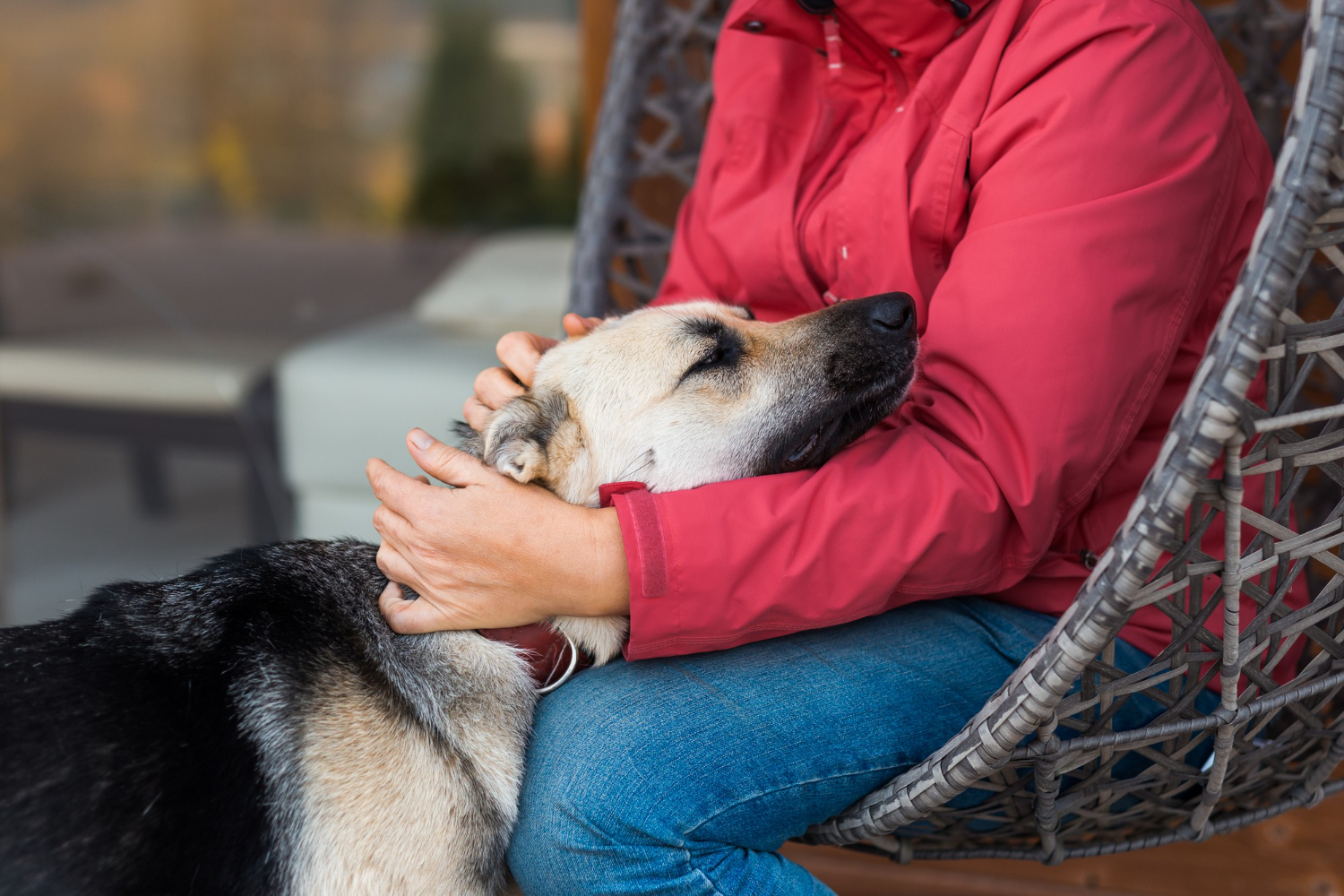
The dog you have on day three is rarely the dog you will have on day thirty.
Body language is communication.
Your foster dog cannot tell you what they need in words. They are telling you, constantly, with their body. Learning to read it is one of the highest-leverage skills in fostering.

Most fosters miss the early signals because they are watching their phone, or thinking about what comes next, instead of the dog in front of them. Slow down. Watch. The dog is telling you everything.
The conversation you are already in
Dogs talk all day. They use their eyes, their ears, their tails, their mouths, the line of their back, the height of their head, the way they hold their weight. Most of it is too small for an untrained eye to catch, which is exactly why fosters who learn to see it have such an outsized advantage. You will spot a problem when it is still a whisper, instead of when it has already become a growl.
Calming signals
Calming signals are small, polite behaviors dogs use to say "I am not a threat" or "please give me space." A dog using calming signals is not in trouble yet, but they are telling you something is uncomfortable. The most common ones to learn are:
- Lip licking when no food is around.
- Yawning when not tired.
- Head turns away from whatever feels like too much.
- Slow blinking.
- Sniffing the ground in a moment that does not call for it (a stranger leans down, a child gets too close, another dog approaches).
- A full-body shake-off after a stressful interaction, the way you might exhale after holding your breath.
If you see one of these and the situation is fixable (less crowding, more distance, a quieter voice), fix it. The dog is asking.
Stress signals
If the calming signals do not get them what they need, dogs escalate to more visible stress signals. By this point they are uncomfortable enough that you should already be making changes:
- Whale eye: the whites of the eyes visible at the edges, often because the dog is keeping their head still while their eyes track a threat.
- A tucked tail, or a tail held unnaturally high and stiff.
- Pinned ears.
- Raised hackles (the fur along the spine standing up).
- Panting when not hot or exercising.
- Drooling or trembling.
- A tightly closed mouth on a dog who is normally relaxed and slightly open.
What a relaxed dog looks like
Loose body lines. A soft, slightly open mouth. Neutral ears. A gently wagging tail at a natural height. Curiosity rather than vigilance. Get used to the way your foster dog looks in their genuinely relaxed moments. That is your baseline. Anything tighter, stiffer, or more closed than that baseline is the dog quietly asking for an adjustment.
Most bites are preceded by warning signals. The typical progression is: subtle calming signals → visible stress signals → growling or air snapping → bite. If you can intervene at the calming-signals stage, the dog almost never escalates further.
Never punish a growl. Punishing a growl removes the warning system. It produces a dog who bites without warning. Always thank a growl by giving space. It is information, not misbehavior.
Keep learning
A few extra resources to deepen what this module covered.
How to Read Your Senior Dog's Body Language From Chewy EducationRoutine is one of the kindest things you can give a foster dog.
A predictable day is one of the kindest gifts you can give a decompressing dog. House training is rarely the drama people expect, it is mostly about supervision, scheduling, and never punishing.

Same time. Same order. Same calm voice. The dog who knows what comes next can stop scanning the room for threats.
Why routine matters more than you think
A new foster does not know where their water bowl is, what time food shows up, whether the front door means a walk or a stranger, or who in the household is safe. Every moment they cannot predict is a moment they have to spend bracing. A predictable routine is how you lift that bracing off them.
You do not need a fancy schedule. You need a boring one, repeated in roughly the same order every day. Something like this works for most adult fosters:
- Morning: potty break, breakfast, short calm walk.
- Midday: potty break.
- Late afternoon: walk or low-key play.
- Evening: dinner, final potty break before bed.
The exact times can flex by 30 to 60 minutes without breaking anything. The order matters more than the clock.
House training, simply
Treat every foster as if they need house training until proven otherwise. Some adult dogs were perfectly trained in their last home and just need a few days to relearn where to go in yours. Others have never been house trained at all, and you will only find out by watching them. Treat them all the same way for the first two weeks: take them out often, reward outside, supervise inside.
Schedule potty breaks every two to three hours, and additionally after waking up, after eating, and after any play session. When they go in the right place, reward calmly while they are doing it or immediately after, so they connect the reward with the act. Indoors, either keep eyes on them or confine them to the decompression space behind a gate or in a crate. Free roam comes later.
When (not if) there is an accident, clean it with an enzymatic cleaner. Regular cleaners do not neutralize the smell a dog can detect, which means the dog will return to the same spot tomorrow. Never punish indoor accidents. Punishment teaches the dog to hide their accidents from you, often by sneaking into another room. It does not teach them to hold it.
Mental enrichment matters as much as physical exercise
A tired dog is the cliché answer to most foster questions, but it is half-right at best. A mentally tired dog is the actual answer. A 20-minute sniff walk where the dog gets to choose the route and stop at every interesting smell is more tiring than a 60-minute brisk walk where you are dragging them past the smells. Food puzzles, snuffle mats, frozen Kongs, hand-feeding, simple cue practice, scatter feeding in the grass: all of it counts.
For a dog still in decompression, low-stimulation mental enrichment is also dramatically safer than longer walks. You are not trying to wear them out. You are trying to give them small, manageable wins that reduce stress.
Keep learning
A few extra resources to deepen what this module covered.
How to Potty Train an Older Dog From Chewy Education How to Leash Train a Dog From Chewy Education How to Teach a Dog to Heel From Chewy Education How to Get Your Dog to Trust You From Chewy EducationThe crate is a refuge, not a punishment.
A properly introduced crate is one of the best tools you have for decompression, house training, and a foster dog's sense of safety. A misused crate is one of the worst.
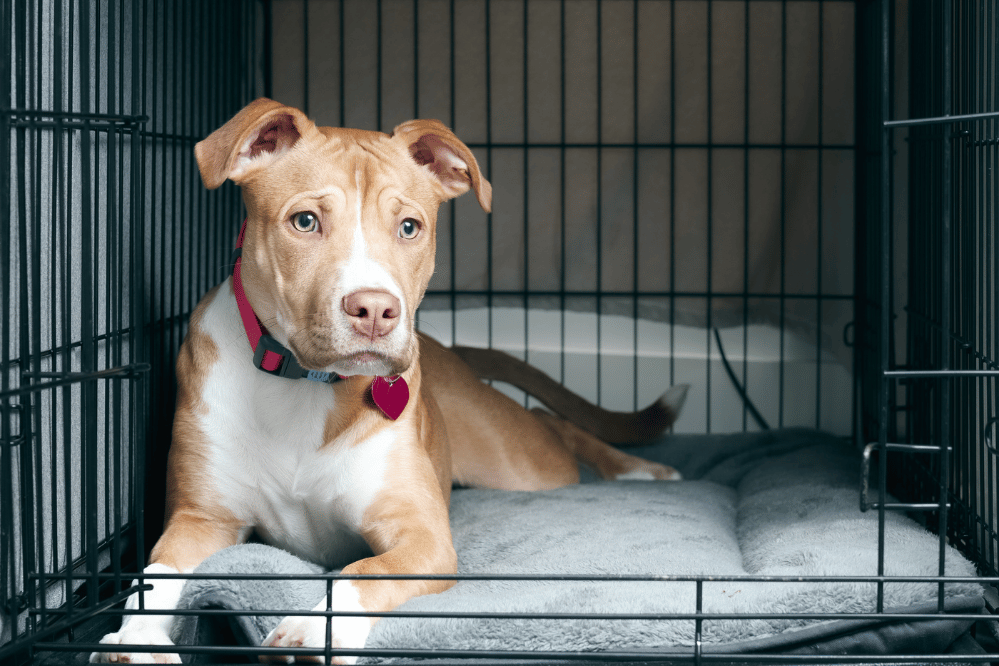
It moves in stages: door open with treats inside, then meals served in the crate, then short closures with the dog calm, then gradually longer ones. The pace is days, not hours. You reward the calm every step of the way, and never the rush.
What a good crate setup looks like
The crate should be just big enough for the dog to stand up, turn around, and lie down comfortably. Bigger than that and house training breaks down, because the dog can pee in one corner and sleep in the other.
Soft bedding is great if the dog does not destroy it. If your foster turns out to be a shredder, remove all bedding while they are unsupervised in the crate. Shredded bedding can be swallowed and become a real medical emergency (intestinal blockage, choking). A bare crate floor with maybe a chew-proof mat is much better than a vet visit. You can offer a soft bed during supervised, watched time once you know what their style is.
Put the crate in the decompression space, not in a high-traffic hallway or next to a loud appliance. The crate's whole job is to be the safe place. Treat it that way from day one.
The "cave" trick
Some dogs settle dramatically better in a crate that feels like a den. Drape a breathable blanket or a purpose-made crate cover over the top and three sides of the crate, leaving the front and any air vents fully open. The darker, more enclosed feel often takes a pacing or whining foster down a couple of notches within minutes. Make sure air can flow freely through the openings, never seal the crate up.
How to introduce it
Crate training is a slow yes, not a fast one. The pattern is the same for almost every dog:
- Leave the door open. Toss treats inside. Let the dog choose to walk in.
- Feed meals inside with the door still open, so the crate becomes the place dinner happens.
- Once the dog is comfortably eating inside, start short closures with the dog calm. Begin with seconds, then minutes.
- Build duration over days, not hours. Most dogs can comfortably stay in a crate for several hours at a stretch within a week or two, if introductions go right.
Never use the crate as punishment. The crate is the place good things happen, every time. The day you toss the dog in there in frustration is the day your tool stops working.
The whining question
If the dog whines while crated, do not open the door during the whine. Opening during whining teaches the dog that whining is the key that opens the door, and you will hear a lot more whining for the rest of the foster stay. Wait for a brief pause, two seconds is plenty, and then open. You are not trying to outlast them. You are just making sure that the moment of opening is connected to calm, not noise.
If the whining is escalating into panic (frantic, breathless, not slowing down), that is a different situation. See the warning below.
Some dogs were traumatized in crates and panic when crated, frantic clawing, breaking teeth, urinating from terror, refusing to enter at all. For these dogs, an exercise pen, a baby-gated kitchen, or a dog-proofed room is a better management tool. Tell the rescue coordinator if your foster panics in a crate. It is important information, not a failure.
Keep learning
A few extra resources to deepen what this module covered.
How to Teach Your Dog to Be Calm in the Crate From Chewy Education Crate Training an Older Dog: Pro Tips From Chewy EducationPositive reinforcement is the spine of foster training.
Your goal is not to "fix" the dog. It is to set them up to look like the best version of themselves for their adopter. Positive reinforcement is how you get there.
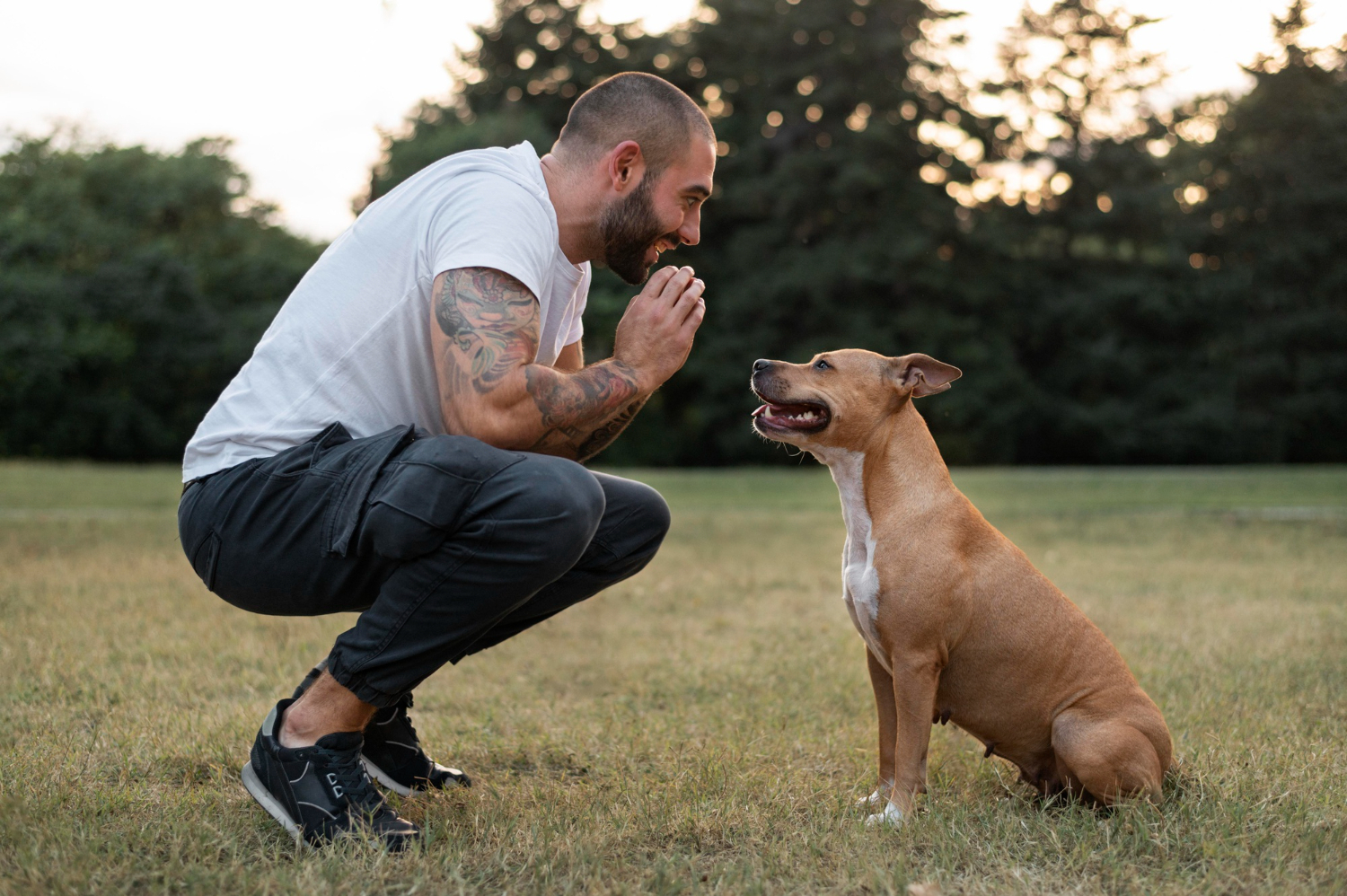
Five-minute sessions. End on a success. If they get it wrong three times in a row, step back. You are not training a dog. You are growing trust.
The core principle
Positive reinforcement means rewarding the behavior you want to see again. Treats, praise, play, access to something the dog wants. The dog notices what gets paid out and starts to repeat it. Timing matters more than people expect: reward within about one second of the behavior, while the dog is still doing it, so the connection is unmistakable.
This is not a trick. It is how all learning works for dogs, and for most other animals including us. Behavior that pays out grows. Behavior that does not, fades.
Why aversive methods are off the table
Yelling, leash pops, alpha rolls, prong collars, shock collars, and physical corrections all suppress behavior in the short term. They also damage trust in the long term and can produce fear, defensive aggression, or learned helplessness. The damage compounds when the dog is already in a high-stress state, which is exactly where every foster dog starts.
A foster dog cannot afford the trust hit. The whole assignment of fostering is to make this dog more adoptable, more open, more present. Aversive methods move them in the opposite direction. Use positive reinforcement, full stop.
The starter set of cues
You do not need to teach your foster a long list of tricks. You need a small handful of cues that make daily life easier and make the dog more adoptable. The starter set:
- Sit. The universal greeting cue. Replaces jumping at the door.
- Down. Pairs with "settle" for restaurants, vet waiting rooms, and any moment you need the dog to chill.
- Name recognition. The dog looks at you when you say their name. The foundation of every other cue.
- Hand target. The dog touches their nose to your open hand. A Swiss Army cue: it redirects, moves the dog around the house without grabbing the collar, and makes basic vet handling easier.
- Come. The recall. Even an indoor-only recall is worth teaching.
- Leave it. For dropped pills, chicken bones on the sidewalk, and a thousand other "actually-no" moments.
Keep training sessions short, around five minutes, two or three times a day. Stay upbeat. End on a success, even a small one. If the dog gets it wrong three times in a row, stop and step back. They may be over threshold, distracted, tired, or you may just need to make the task easier. The session is not a test you are forcing them to pass.
Leash skills matter for adoptability
A foster who can walk on a loose leash is dramatically more attractive to adopters. The basics are simple, even if the practice takes time. Reward the dog when they are at your side. Stop walking the moment the leash goes tight, and only resume when there is slack again. Change direction often so the dog learns to pay attention to where you are going. Most foster dogs make visible progress in two or three weeks of consistent, calm practice.
Manage rather than train when needed
Sometimes training is the wrong tool, and management is the right one. For visitors at the door, leash or gate the dog before you open it. For counter surfing, push the bread to the back of the counter for now. For door dashing, install a baby gate at the entryway. You are not failing by managing instead of training in the moment. You are preventing the dog from rehearsing the unwanted behavior. Every time they do not get to practice the bad version, the muscle memory weakens. That is its own kind of training.
You are not trying to "fix" the dog. You are setting them up to look like the best version of themselves for their adopter. That is the whole job.
Keep learning
A few extra resources to deepen what this module covered.
Clicker Training for Dogs From Chewy Education How to Stop a Dog from Darting Out the Door From Chewy Education How to Stop Destructive Chewing in Dogs From Chewy Education Sit, Stay, and Beyond: The Essential Guide to Basic Dog Obedience Training From Chewy EducationSlow introductions to people, kids, and resident pets.
Almost every bad introduction in foster work happens because someone was in a hurry. The fastest path to a smooth household is a slow start.

Days for resident dogs to coexist. Weeks for resident cats. Months for some pairings. Every shortcut here is how good matches become bad ones.
Wait before any formal introductions
Most foster dogs benefit from at least three to seven days of decompression before any formal introductions to resident pets. A dog who has not yet figured out where the water bowl is cannot yet handle a meeting with your happy, high-energy resident dog. Wait until they have eaten consistently, slept through a night or two, and made eye contact with you on their own terms. Then start the introductions, slowly.
Resident dogs
The first meeting between a foster dog and a resident dog should always happen on neutral ground, never in your home. Your dog claims your home. A new dog walking into claimed territory often gets a frostier reception than the same dog would meeting elsewhere. A quiet street, a calm parking lot, a neighborhood park: anywhere neither dog has a history.
Walk them in parallel at a comfortable distance, loose leashes, with one human handler per dog. Do not let them greet head-on right away. Watch for loose, wiggly body language and matched pace. If you see stiffness, hard stares, or freezing in either dog, add more distance immediately. Trust the body language, not the wagging tail (a tail can wag tightly and high, which is the opposite of friendly).
Once they are home, treat them as if they need to be separated when no one is actively supervising, often for days or weeks. Gates and crates make this easy. Feed them in separate rooms. Pick up any high-value items (chews, bones, favorite toys) when they are loose together. Do not leave them alone in the same space until you have seen consistently relaxed body language across many days. Even then, ease into it gradually.
Resident cats
Cats need vertical space and escape routes for every single interaction, every time. The cat should always be the one in control of the encounter. The introduction sequence is:
First, scent and sound through a closed door. Let them know each other exists for a few days before they ever see each other. Then visual contact through a baby gate, with the dog calm and on leash. Then leashed and calm in the same room, with the dog rewarded for ignoring the cat. Most cats and dogs work this out within a couple of weeks, given the right setup.
Reward calm, predictably and often. Calm is the behavior you want to grow. If you have any hesitation or concerns at any point in the process (fixation, hard-staring, a low and stalking body), trust it. Slow way down, separate them, and call the rescue before doing anything further. Better to be safe than sorry, every time.
A dog who is comfortable around cats has a meaningfully bigger pool of adoptive families, so it is real progress if things go well. But never push it. Let the dog and the cat guide the pace. Not every dog likes cats. Not every cat likes dogs. And that is completely okay. A dog who turns out to be "no cats" is still a wonderful dog, and the rescue will simply match them with a no-cat home.
Family and visitors
Minimize visitors for the first week or two. The dog has enough new people to learn already, just the people who live with you. When you do have someone over, coach them ahead of time: ignore the dog entirely until the dog engages them. No eye contact, no reaching, no baby talk, no "hi puppy" in a high voice. Just exist in the room calmly.
If you do want to encourage the foster to come investigate (safely), have the visitor toss a small treat near the dog without looking at them, and just keep doing that on a slow schedule until the dog chooses to approach. Let the dog set the pace. When the dog does come up to sniff, the visitor can offer a hand low and to the side, no leaning over, no reaching for the head, no hugging. None of those feel friendly from a dog's perspective.
Children must be supervised at all times, even children who have grown up around dogs. Teach them the three never-bother rules: never bother a dog who is eating, never bother a dog who is sleeping, and never bother a dog who is in the crate. Most household bites in foster work happen in those exact moments.
The outside world
Skip dog parks, busy patios, and high-traffic pet stores in the early weeks. The friendly stranger who "just loves dogs" and approaches yours uninvited is sometimes the hardest situation of all for a decompressing dog. Build the world back up slowly: a quiet street, then a slightly less quiet street, then maybe a brewery patio on a Tuesday afternoon. The foster who learns the world at a survivable pace ends up with a wider world. The one who is flooded early often ends up with a smaller one.
Always advocate for the dog on the other end of the leash. Never hesitate to put a hand up and say, "my foster dog is in training, please give us some space." Most people will respect it. The ones who try to push past you are exactly the people you do not want near your dog. Read what your foster is telling you they are comfortable with before scheduling a practice outing, and read them again in real time. If the dog says it is too much, end the outing early and try again next week. There is no prize for pushing through.
Keep learning
A few extra resources to deepen what this module covered.
Doggie Play Date Etiquette: How to Introduce Pets Successfully From Chewy EducationHelp your foster find a great match.
A well-cared-for dog who is invisible to adopters is still stuck. Marketing is part of the job. The good news: a handful of small things make a big difference.

The calm, slightly bored dog photographs best. The honest bio attracts the right adopter. The right adopter is worth waiting for.
Photos first
Most adopters scroll. They will see a thumbnail of your foster dog for about a second before deciding to click in or keep scrolling. That one second is the photo's job. A great photo will move a dog who has sat on the listings page for two months. A bad photo will hide a dog forever.
The basics that turn an average phone snap into a great foster photo:
- Use natural light. Stand near a window indoors. Go outdoors on overcast days, which are the best photo days of all (no harsh shadows).
- Build in contrast: a dark dog photographs best against a light background, a light dog against a dark one.
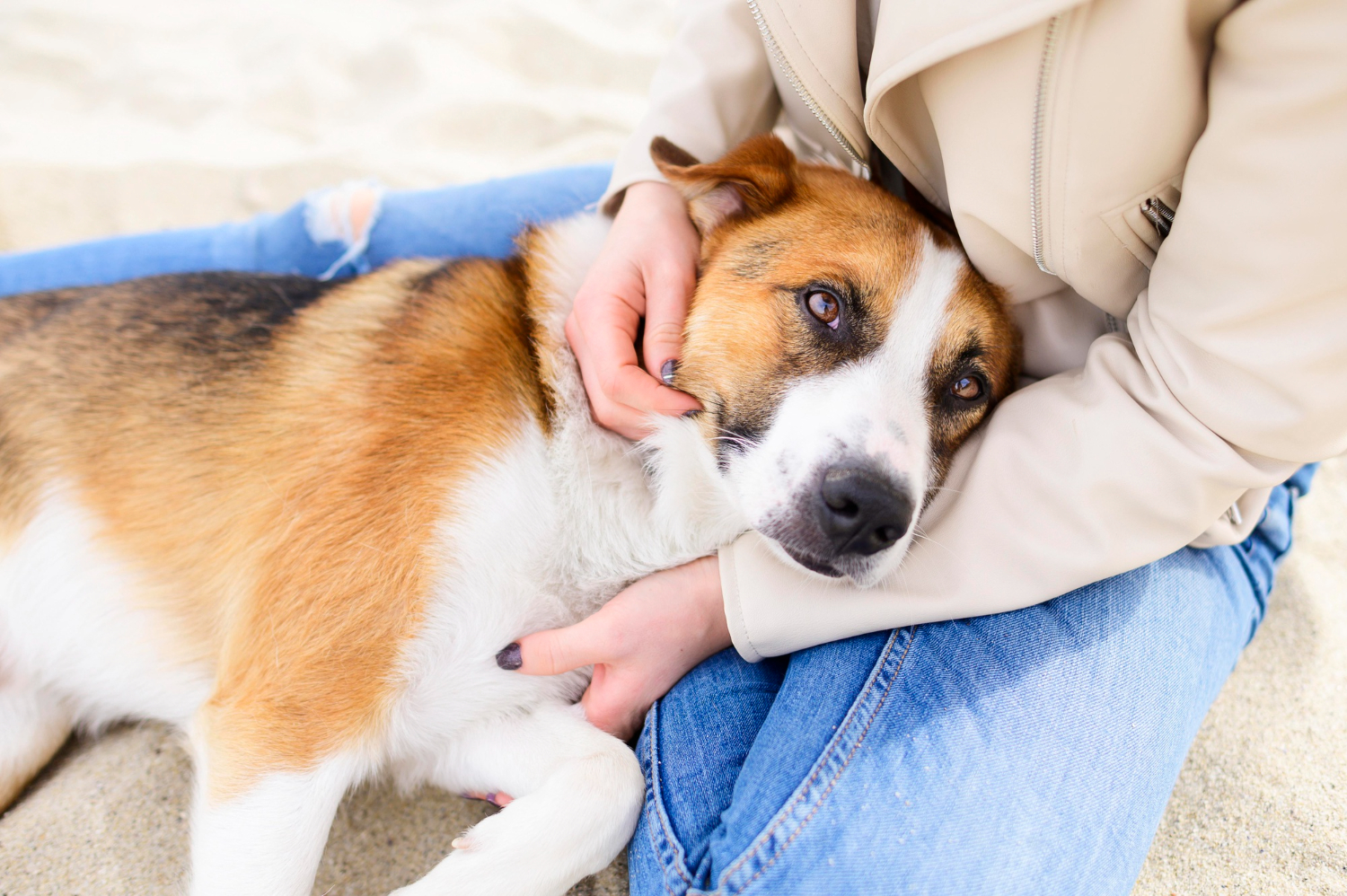
- Get down to eye level. Crouch, sit on the floor, lie on the lawn. Photos taken looking down at a dog from human height almost never work.
- Vary the set: a clean headshot, a full body, a candid personality shot, and a compatibility shot (with another dog, a kid, a cat, or just curled up on the couch).
- Calm, slightly bored dogs photograph best. Take a long sniff walk first so the dog is not vibrating with excitement during the shoot.
Good photo examples
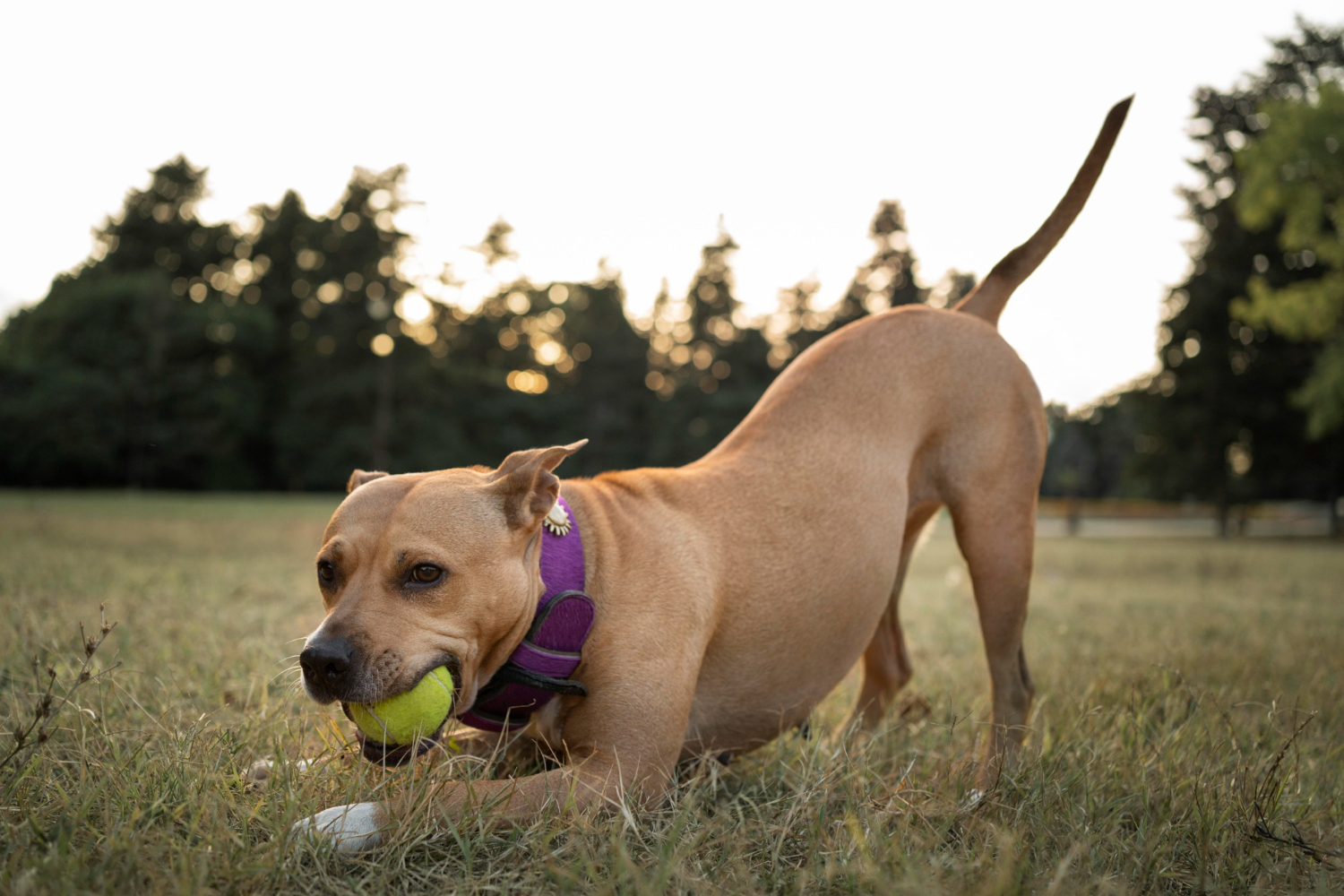
What photos that pull adopters in actually look like:



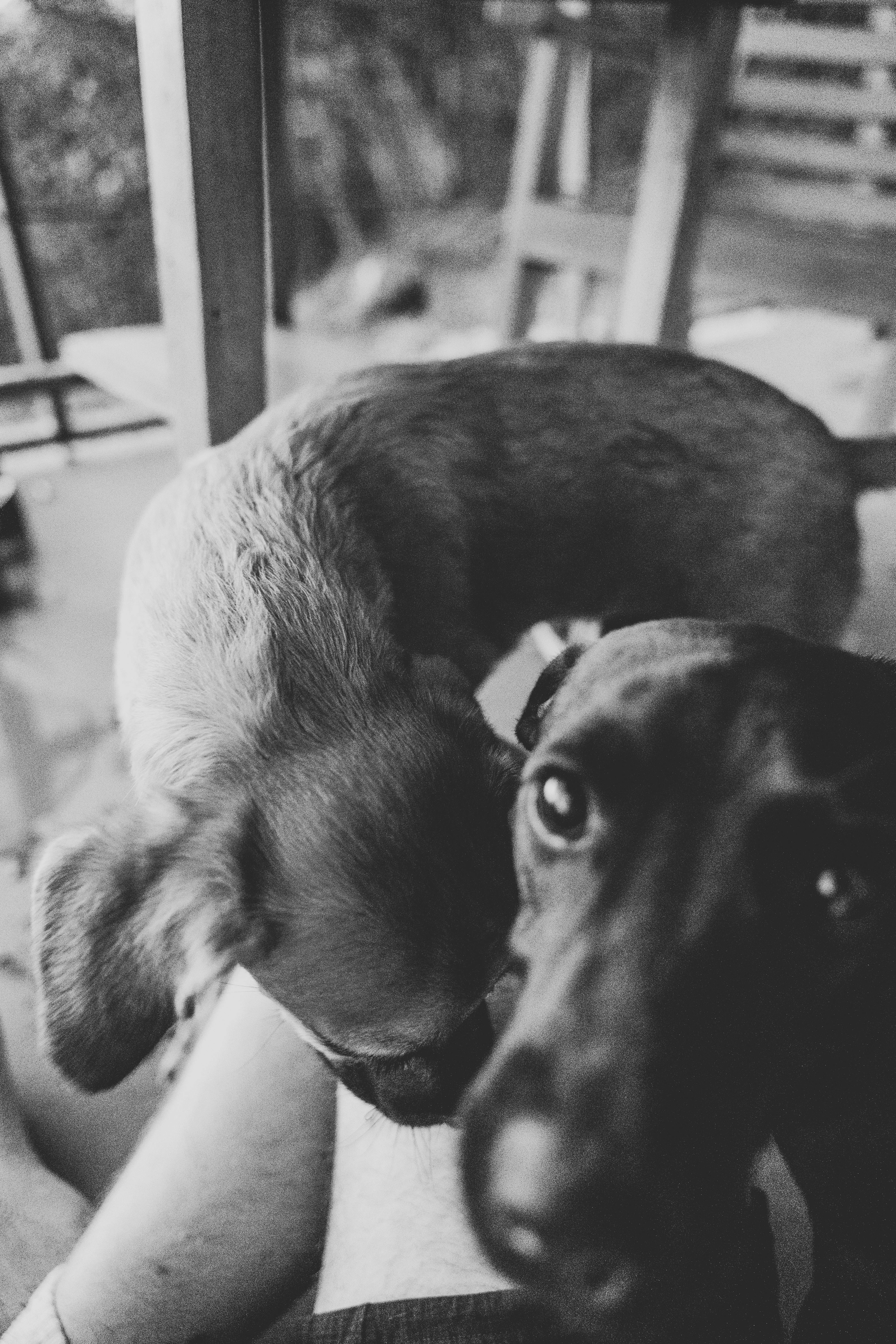
Photos that miss the mark
And what to avoid, even when the dog is gorgeous:


Video shows what photos cannot
Photos sell looks. Videos sell behavior, and behavior is what worried adopters most want to see. Short clips, under a minute each: walking on a loose leash, sitting on cue, a gentle game of fetch, a couch nap. Calm at home is a selling point. Most foster dogs do not need to look impressive on video. They just need to look livable.
Bios should be warm and specific
Avoid "stop language": long lists of disclaimers, requirements, and disqualifiers. "No kids under 10. No cats. Not for first-time dog owners. Will need a fenced yard. Cannot have other dogs in the home. Must have a trainer on retainer." All of that belongs in adoption counseling, not the listing. By the time someone reads it, they have already scrolled away.
Open with something other than "Meet Buddy." Tell a small, vivid story instead. "Bowie thinks the dishwasher is haunted." "Pearl spent her first three days under the bed and her fourth day in my lap." A real moment from this dog's actual life will outperform any generic copy.
Honest framing helps the right adopter self-select. "Bowie is a velcro dog who would do best as your shadow" is more useful than "Bowie does not do well alone." The first attracts the right home. The second scares off the same right home.
Use the platforms your rescue uses
Always tag the rescue when you post. Share to local community groups where permitted. Ask friends, family, and neighbors to share to their networks. Adoptions almost always come through a network connection a few hops out from the dog, so make the post easy to share.
A "want ad" style post written in the dog's voice, playful and a little goofy, often outperforms a straightforward description. "WANTED: a couch with a window. Belly rubs nightly. References available." The right adopter reads that, smiles, and clicks.
Adoption day is bittersweet. That is the job.
If you do this work well, you will fall in love a little every time. And every time, you will let go. This module is about what that actually feels like, and how to do it.
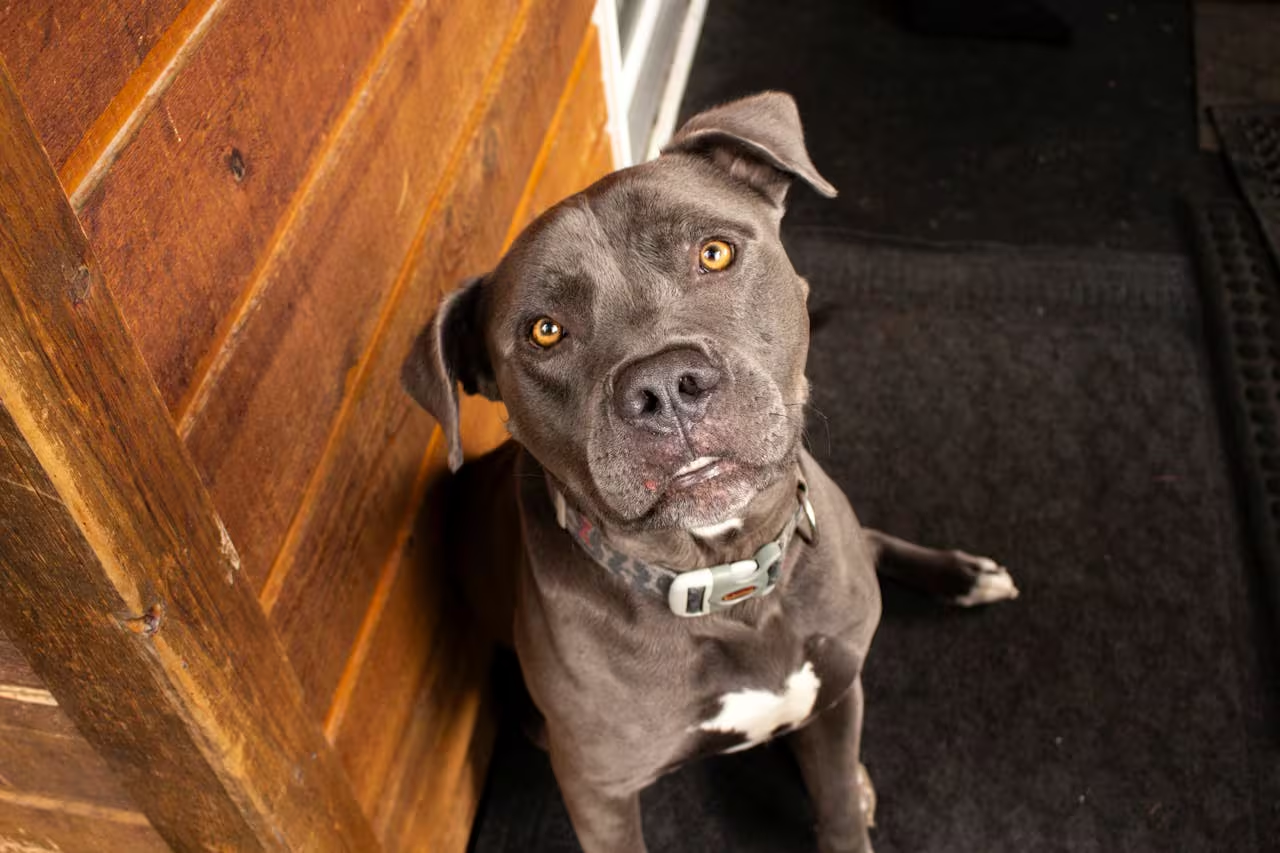
You held space long enough for the dog to be ready for their forever home. The grief at the door is the receipt, not the price.
The grief is real
Adoption day is bittersweet for almost every foster. That is normal. The dog you have been living with, feeding, walking, sleeping next to, watching slowly come back to themselves: you are now handing over to a stranger who will get all the rest of that dog's life. It is supposed to feel like something.
Crying at the handoff is not weakness. It is a sign you did the job well. The fosters who feel nothing on adoption day are the ones who kept the dog at a distance. You did not. The love you gave this dog is exactly what made them ready for their forever home.
The reframe
Every dog you place is one more dog you can save. The math is exact. The kennel that opened up because you said yes the first time is the kennel that lets the rescue say yes to your next foster, and then the one after that. Many fosters keep a small ritual to make this visible: a photo wall, a tally on the fridge, a name in a notebook. The grief and the math coexist. You can love this dog and let go of them so the next one gets the same chance.
The going-home packet
Prepare a small packet for the adopter so the dog's transition feels less abrupt. The thoughtful details make a real difference in the first few days:
- A familiar toy, blanket, or piece of bedding with your home's smell on it. This is the single most stabilizing thing you can send.
- A written summary of the dog's routine: feeding times, walk schedule, sleep habits, what the day looks like.
- Whatever food the dog is currently eating, plus the brand name and the amount per meal so the adopter can buy more.
- Quirks and preferences: words they already know, things they fear, what reliably calms them, what their tells are when they need to go out.
- Any training progress, framed gently and honestly.
- A few of your best photos. Adopters love these. Some keep them framed.
Take a break if you need one
Foster burnout is real. After a tough goodbye, a long stay, a medical case, or a behavior case that asked too much of you, it is fine, sometimes necessary, to wait a week or a month before the next foster. Sustainable beats relentless. The rescue would rather have you for ten years than wear you out in one.
Foster failing, and what fostering teaches you about being a pet parent.
A "foster fail" is the affectionate name for adopting the dog you were temporarily caring for. It is not actually failing, the dog finds a permanent loving home, which was always the point.

Sometimes the bond is real but the match is wrong. The patient foster talks it through with the rescue before making it permanent. The dog deserves the best match, not just the first one.
The reality of foster failing
In a survey of nearly 1,000 foster volunteers, the majority had adopted at least one foster within the past ten years. It happens all the time. The term is affectionate, not literal. The dog finds a permanent loving home, the foster finds a member of the family, and the only thing that "fails" is the temporary part of the temporary placement. It is common, it is loving, and it is fine.
Fostering as a path to pet parenthood
If you are thinking about adopting and you are not sure yet, fostering is one of the kindest ways to find out. You get to live with a real dog, in your real home, in your real schedule, before you make a lifetime decision. You learn what dog ownership actually demands: the time, the routine reshape, the emotional load, the unexpected costs, the things you thought you would mind that you do not, and the things you did not expect to mind that you do. You also learn what kind of dog actually fits your life, which is almost never the kind you thought you wanted.
One honest caution
Foster failing on the first dog is not always the right call. Sometimes the bond is real but the match is wrong: the dog needs more activity than you can give, or a different household composition, or a yard you do not have, and they would actually thrive more somewhere else. The fact that you love this particular dog is not, on its own, proof that adopting them is the best outcome for the dog.
A good rescue will talk this through with you honestly. The foster coordinator has seen this conversation many times. Ask them to walk it through with you before the application is final. The pause is not betrayal. It is what makes the eventual yes a real one.
If you do foster fail, congratulations. If you do not, even better, you keep saving more dogs. There is no version of this where the dog loses.
You finished. Now, keep going.
This is the last of the fifteen core modules. Below: where to keep learning, how to keep going, and an invitation to the five optional specialty deep dives that follow.

Take the break. Take the season. The work is not less holy for needing rest. The next dog needs a rested you.
Recommended ongoing learning
Fifteen modules is a foundation, not a finish line. The fosters who stay great over time are the ones who keep reading, keep watching, and keep being curious. A short list of sources to keep in your bookmarks:
- ASPCA: foster resources, behavior, and policy.
- Maddie's Fund: foster research, marketing guides, and program resources, all free.
- Whole Dog Journal: behavior, training, and welfare deep dives.
- Chewy education library: training, body language, and everyday care guides.
- Fear Free and the work of veterinary behaviorists and certified positive-reinforcement trainers. Look for the credentials IAABC, KPA-CTP, or CCPDT next to a trainer's name.
Build a network
Join your rescue's foster community if there is one, on Facebook, Slack, GroupMe, wherever they meet. Other fosters are the single best source of practical tips, late-night reassurance, and "is this normal?" sanity checks. The questions you do not want to ask the rescue coordinator at 11 p.m. are exactly the questions another foster has already lived through.
Specialize when you are ready
Some fosters thrive with bottle-feeding puppies, others with seniors, others with medical or behavior cases. None of these are better or harder than the others, they are just different. Telling your rescue what you can and cannot handle is helpful, not selfish. The match between foster and dog matters as much as the match between adopter and dog.
Take care of yourself
Foster burnout is real, and it sneaks up. The signs are usually: dread before the next placement, irritability about routine care you used to enjoy, neglecting your own resident pets, losing sleep, or feeling resentful of the rescue. If two or three of those are true at the same time, step back. Take a month. Take a season. The work is not less holy for needing rest, and the next dog deserves a rested you.
Optional: the seven specialty modules
The seven modules below are optional, opt-in deep dives. Complete any you find relevant to the kind of foster you want to be, now or later. They live alongside this course in the sidebar and you can return to them at any time.
Fostering puppies.
Few things in foster work are as rewarding as raising a puppy through the weeks that shape who they will be for the rest of their life. The work is real, and the payoff is enormous. The dog they grow into, the home they go to, the family they belong to for the next fifteen years, all of it traces back to what they experienced in the weeks you had them.

Lots of potty breaks. Patient, calm exposure to the world. A regression at six months that you ride out, not fight. The puppy who gets all of that becomes the adult dog every adopter hopes for.
The critical socialization window: 3 to 14 weeks
From roughly three to fourteen weeks of age, a puppy's brain is in a magical, time-limited mode where new experiences land as "this is normal." Anything they meet calmly and positively during this window tends to remain comfortable for them for the rest of their life. Anything they miss during this window is harder, though not impossible, to introduce later. This is the single biggest leverage point in shaping a confident, adoptable adult dog, and you happen to have them at exactly the right age.
If you are fostering a puppy in this window, your most important job is helping them meet the world, gently and consciously. The vaccinations matter, the cute photos matter, the house training matters, but careful socialization is the foundation everything else sits on, and it pays out for the next decade of this dog's life.
Socialization is not the dog park
Socialization is a careful word. It does not mean "let your puppy play with every dog and every person they see." It means calm, positive exposure to a wide variety of sights, sounds, surfaces, people, gentle handling, and other healthy vaccinated dogs. A puppy who has been carried calmly through a hardware store, met five different friends in your living room, walked on grass, gravel, tile, and carpet, heard the vacuum, the doorbell, and the garbage truck, and been gently handled by a vet is a socialized puppy. None of that is exhausting if you weave it into a regular week.
The American Veterinary Society of Animal Behavior's position statement is that puppies can and should start socialization before their full vaccine series is complete, as long as exposures are kept low-risk. The cost of missing the window is greater than the limited disease risk of careful socialization during it.
Before you start any out-of-the-house socialization with a puppy whose vaccine series is incomplete, talk it through with your rescue and their veterinarian. They will tell you which environments are low-risk for your area, which are off-limits, and which playmates are safe (vaccinated, healthy, known dogs only). Carry-only outings, visits to a friend's vaccinated-dog household, and gentle handling sessions at home are usually fine; dog parks, pet stores, and shared sidewalks are not. The rescue will help you build a plan that protects the puppy's health AND their developmental window.
Vaccine and parasite timeline
Puppies typically receive a DHPP series at roughly six to eight weeks, ten to twelve weeks, and fourteen to sixteen weeks. The rabies vaccine is given at the rescue vet's discretion, usually somewhere between twelve and sixteen weeks. Until the series is complete, avoid high-traffic dog areas (pet stores, dog parks, sidewalks where unknown dogs have been) and any unknown dog. Indoor visits with vaccinated household dogs are usually fine, and the rescue can guide you on what counts as low-risk in your area.
Energy and rest
Puppies sleep sixteen to twenty hours a day. Read that twice, because it is more sleep than most people expect. The puppy who is bouncing off the walls is almost always overtired, not underexercised. Build naps into the day on purpose, in a quiet room or crate. The "nap discipline" you set now becomes the chill adult dog the adopter takes home.
Overexercise can stress growing joints. The common guideline is about five minutes of formal exercise per month of age, up to twice a day, plus all the free play and sniffing they want. A three-month-old puppy gets fifteen minutes of structured walk; a six-month-old gets thirty. Save forced running and repetitive impact (long jogs, bike runs) until the growth plates close, around twelve to eighteen months depending on breed size.
House training puppies
Puppies need more frequent potty breaks than adults, by a lot. The rough rule is that a young puppy can hold their bladder about one hour per month of age, plus or minus. A two-month-old is on a two-hour cycle. A four-month-old is on a four-hour cycle. The fundamentals in Module 8 still apply; the only real difference for puppies is the frequency. House training a puppy is genuinely satisfying work: you can see the wins compound from one week to the next.
Adolescence is a phase, not a failure
Somewhere between five and eighteen months, every puppy goes through a developmental regression. The cues they "knew" suddenly stop working. They forget you exist when called. They chew things they have not chewed in months. They act, in a word, like teenagers, because that is exactly what they are. This is normal development, not a training failure, and absolutely not something the foster did wrong. Stay consistent, keep training sessions short and easy to win, lower your expectations for a couple of months, and ride it out. The adult dog on the other side of adolescence is almost always recognizably the puppy you had at four months, just bigger and more themselves.
A puppy who lands in a thoughtful foster home during their critical window goes on to live a very different life than the same puppy raised in a kennel. You are not just keeping them safe for a few weeks; you are shaping the temperament, confidence, and sociability of the dog they will be for the next decade or more. There are very few moments in foster work where the long-term impact is this clear. This is one of them.
Keep learning
A few extra resources to deepen what this module covered.
How to Calm a High-Energy Puppy From Chewy Education Why Puppies Whine, and What to Do About It From Chewy EducationBottle babies and neonatal fostering.
This is the most intense fostering you can do. It is also some of the most rewarding. Before you say yes, read this whole module, and then talk to your rescue about mentorship.
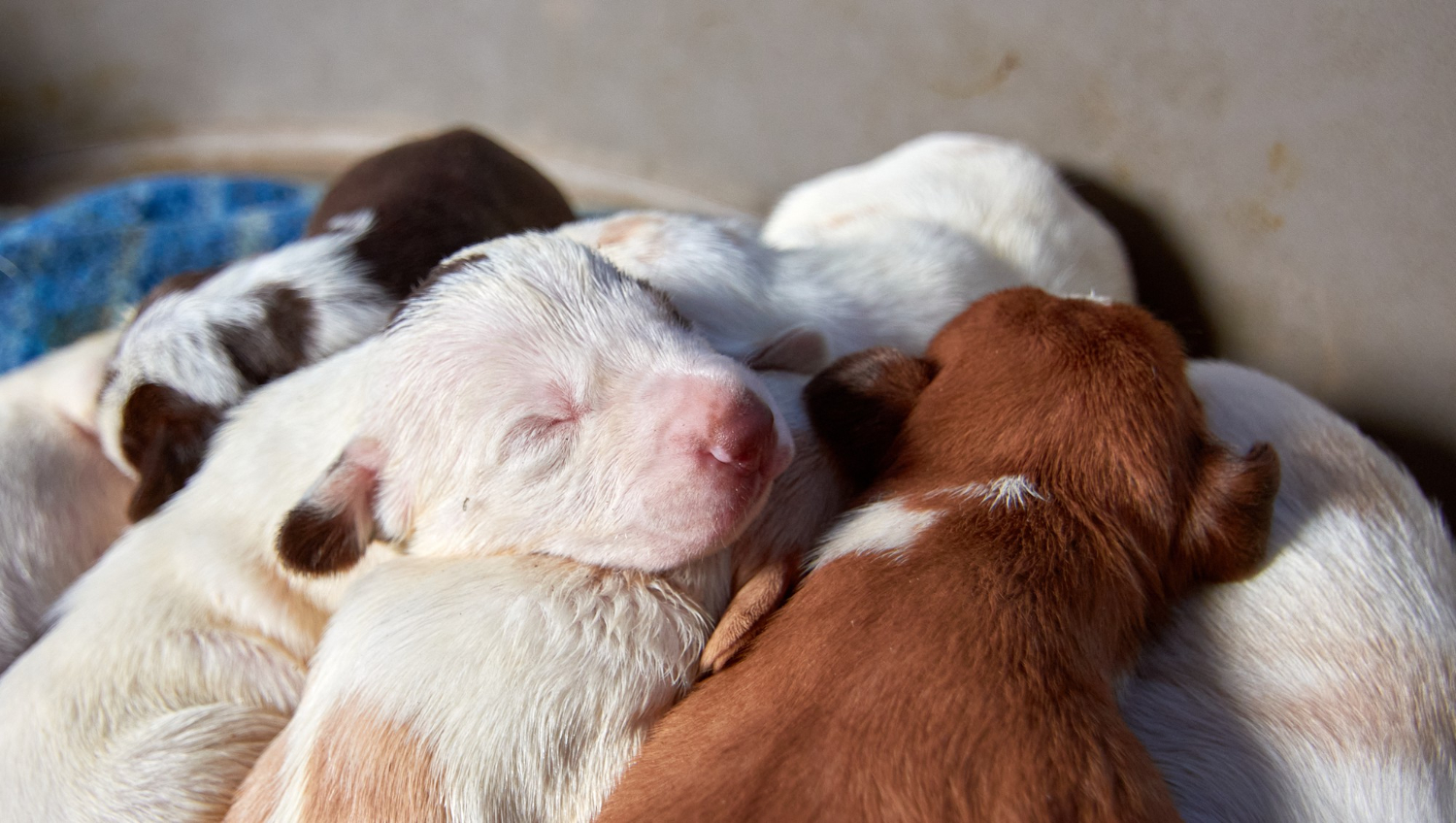
Around the clock, for weeks. There is no shortcut. There is only the next feeding, and then the next, and the next.
Neonatal foster care is a two- to four-hour bottle-feed cycle around the clock, plus weight tracking, temperature management, and stimulation for elimination. It is not recommended for first-time fosters without significant rescue support and mentorship. Many rescues require special training before placing bottle babies. If you are interested in this work, tell the rescue and ask what their mentorship looks like before you say yes.
Feeding schedule
Orphaned puppies need to be fed approximately every two to four hours for the first week of life. The interval gradually lengthens to every four to six hours after that and continues until weaning. A common guideline for amount: about one cc of milk replacer per ounce of body weight every three hours. The rescue's vet team will give you the specific schedule for the litter in front of you.
Formula
Use a commercial canine milk replacer such as PetAg's Esbilac or a similar product the rescue specifies. Cow's milk causes diarrhea and is dangerous. Goat's milk is sometimes safer in a pinch but is not a substitute for proper canine milk replacer. Feed at the puppy's body temperature, which is approximately 100 degrees Fahrenheit. Cold formula is hard to digest and can chill a fragile puppy.
Weight tracking
Weigh every single day for the first four weeks. Use a gram scale, the kind sold for cooking, since the changes are small and matter a lot. Puppies should gain roughly five percent of their body weight per day during the first four weeks. Body weight typically doubles by eight to ten days, and triples by week three. A puppy who is not gaining is a red flag. Call the rescue the same day.
Temperature
Neonates cannot regulate their own body temperature. They cool down fast, and a cold puppy cannot digest food, which means they can fade quickly. Keep the environment at 85 to 90 degrees Fahrenheit during the first four to five days of life, then gradually decrease to 70 to 75 degrees by the end of week four. Heating pads on low, set under half the whelping box so the puppies can move off if they get too warm, are a common setup. The rescue will guide you on what works best for your particular setup.
Stimulation for elimination
For roughly the first two weeks of life, the mother stimulates the puppy to urinate and defecate by licking the genital area. Without her, you do this part. Gently massage the genital area with a warm, moist cloth or cotton ball after each feeding. The puppy will pee and pass stool in response. After about two weeks, puppies start to eliminate on their own and you can stop. It feels strange the first few times. It is normal, and it is the difference between a puppy who lives and one who does not.
Weaning
Weaning typically begins around three to four weeks of age. The progression is gradual: formula → gruel (formula mixed with a little softened puppy food) → wet puppy food → dry puppy food. The rescue's vet team will walk you through the timing for the specific litter. By six to eight weeks most puppies are fully on solid food.
- Hypothermia (cold puppy).
- Hypoglycemia, fading puppy syndrome (lethargic, weak, unresponsive).
- Aspiration during feeding (coughing, milk coming out the nose).
- Diarrhea or dehydration.
- No weight gain.
- Failure to nurse.
Keep learning
A few extra resources to deepen what this module covered.
We built three versions of the same tracker, all with auto-flagging for red flags (weight loss, temperature outside age-appropriate range). Use whichever fits your workflow.
Open in Google Sheets Download Excel tracker Download printable PDFThe Google Sheets option auto-saves a personal copy to your Google Drive. The Excel version has formulas protected so you can't accidentally delete them. The PDF is for fridge use.
Fostering senior dogs.
Senior fosters need a calmer environment, a shorter routine, and a foster who understands that the goal is not to make them young again. It is to give them softness, dignity, and time.

It is the patience of a long circle before lying down. Of a slow climb up two stairs. Of a 4 a.m. accident with no shame attached. All of it is part of the deal.
End-of-life and hospice fostering has its own dedicated module, Specialty F.
What senior dogs typically need
Senior fosters are often the easiest dogs in the rescue, behaviorally. They tend to be calm, settled, less reactive, less destructive, less demanding of exercise. What they need from you is a setup that respects their body. The basics:
- Joint-friendly footing: rugs over hardwood, ramps over stairs where you can manage them, no slippery floors right at the food bowl.
- Shorter, more thoughtful walks. A 15-minute sniff is often perfect.
- Soft, supportive bedding, ideally with some bolstered edges so they can rest their chin.
- Gentle handling, especially around the hips, spine, and any sore joints. Always tell them you are about to pick them up before you do it.
- More patience with house-training lapses, slow stair climbs, and longer recovery from any kind of change.
Arthritis is common and often underdiagnosed
If your senior foster moves stiffly when they first get up, hesitates on stairs they used to take easily, stiffens after rest, or is irritable when touched in certain places, suspect arthritis. It is incredibly common in older dogs and is one of the most underdiagnosed conditions in veterinary medicine, because dogs hide pain so well.
Management is a partnership with the rescue's vet team and usually involves some combination of pain medication, joint supplements where indicated, weight management, low-impact exercise, and environmental modifications. The dog who looks "depressed" or "withdrawn" is often the dog who is actually in pain. Treating the pain often returns a lot of personality.
Canine cognitive dysfunction (CCD)
CCD is similar in some ways to Alzheimer's disease in humans. It affects roughly 35 percent of dogs over age eight, and the percentage climbs with age. A foster with CCD is not being difficult, they are not being spiteful, and they have not "regressed." Their brain is changing.
The common signs follow the DISHAA framework:
- Disorientation: confusion about familiar spaces, getting stuck in corners, walking into walls, forgetting the way out of a room.
- Altered Interactions: less interest in people they used to greet, or unusually clingy with one person.
- Sleep-wake changes: pacing at night, sleeping through the day, often called "sundowning."
- House-training lapses, especially in a previously well-trained dog.
- Activity changes: less play, less exploration, or repetitive motions.
- Increased Anxiety, especially when alone or in low light.
Pain (especially arthritis) often makes CCD significantly worse and should be managed in parallel. A senior dog whose pain is finally controlled often has a measurable improvement in cognitive symptoms within a few weeks.
The patience a senior dog deserves
An old dog will move slowly. An old dog may not hear you the first time. An old dog may have an accident in the hallway at 2 a.m. and look ashamed in the morning. None of it is misbehavior. None of it is something the rescue did not warn you about. All of it asks the same thing of you: slow down, lower the bar, and meet them where they are. The reward for that is a foster who, in a quieter way than any puppy, will love you back with their whole remaining heart.
Keep learning
A few extra resources to deepen what this module covered.
How Much Should Senior Dogs Sleep? From Chewy Education Why Is My Dog Staring at the Wall? From Chewy Education When Is a Dog Considered Senior? From Chewy Education Dog Years to Human Years From Chewy Education Physical Changes in Senior Dogs From Chewy Education Senior Dog Incontinence From Chewy Education Senior Pets From the American Veterinary Medical Association (AVMA). About Taking Care of Senior Dogs From Spot Pet Insurance: practical care and health considerations.Medical foster care.
Medical fostering is a partnership with the rescue's veterinary team. You provide the recovery environment, careful observation, and medication administration. The rescue and the vet make every treatment decision.

Sixty days of strict crate rest for a heartworm dog. A month of parvo isolation. A cone the dog hates and has to wear anyway. None of it is optional. All of it is what saves them.
Chemotherapy has its own protocol: hygiene rules, overnight potty needs, prednisone side effects, and what to call the rescue about. We built a full guide and a print-ready version you can keep on the fridge.
Post-surgical recovery (spay/neuter, mass removals, orthopedic)
Post-surgical fostering is probably the most common type of medical foster placement. The dog comes home from the vet sore, groggy, and on activity restriction, and your job for one to two weeks (longer for orthopedic surgery) is to be the quiet recovery room.
The basics: a quiet space with low foot traffic, a cone or recovery suit kept on as prescribed, restricted activity for the entire prescribed window (even when they look great by day three), and prescribed medications given on schedule. Check the incision at least once a day for redness, swelling, discharge, gapping, or odor. Take a photo if anything looks off so you can compare day-over-day.
Call the rescue right away if you see drainage from the incision, a fever, or refusal to eat for more than 24 hours. Most post-surgical recoveries go uneventfully, but the few that do not need attention fast.
Heartworm-positive dogs
Heartworm treatment is a multi-month protocol involving melarsomine injections and strict exercise restriction. The American Heartworm Society recommends restricting the dog's activity from the day of diagnosis, keeping them on crate rest with only short leashed potty breaks throughout the entire treatment window. That window is generally about 60 days for the standard protocol, and the strict-rest period often continues for about eight weeks after the final injection.
Why so strict: exercise increases blood flow to the lungs, and as the worms die off during treatment, exercise increases the risk that a dying worm causes a fatal pulmonary embolism. This is not theoretical. Fosters who let a heartworm dog run in the yard have lost them. The restriction is the treatment.
Enrichment in this period has to be almost entirely mental: stuffed Kongs, snuffle mats, calm chews, simple cue practice, hand-feeding. The dog will look perfectly capable of going for a walk. They are not. The rescue and the vet will tell you exactly when activity can be safely reintroduced.
Parvo recovery
Dogs recovering from parvovirus can continue to shed virus for weeks. Isolation from other dogs is critical, often for two to four weeks past recovery, with longer windows if your household includes unvaccinated puppies. The rescue will tell you the exact isolation period for the dog in front of you.
Only a handful of disinfectants reliably kill parvovirus:
- Sodium hypochlorite (household bleach).
- Calcium hypochlorite.
- Potassium peroxymonosulfate (the brand name is Trifectant).
- Accelerated hydrogen peroxide (Rescue or Accel, both brand names).
Standard household cleaners do not work on parvo. To disinfect effectively, surfaces must be cleaned of organic material first (any feces, urine, vomit), then the disinfectant applied with at least 10 minutes of contact time. Porous materials like carpet and soft beds cannot be reliably disinfected and may need to be discarded after a parvo recovery. Parvo-recovery fosters are not appropriate for homes with unvaccinated resident dogs or any recent parvo history.
Mange, ringworm, and skin cases
Skin cases vary widely in contagiousness, but most require some degree of isolation from resident pets, designated bedding that you wash separately on hot, gloves for handling, and medicated baths or dips on a schedule. The rescue will give you the protocol for the specific condition. Follow it exactly, even when the dog looks better, because the dog can still be contagious for weeks past the point of visible improvement.
Ringworm is contagious to humans and other animals. Wash your hands thoroughly after handling, do not let the dog on your bed or couch, and keep them out of areas other pets use. Children are particularly susceptible. Follow the rescue's exact protocol and reach out anytime you are not sure.
If you do not feel confident performing a medical task, that is not weakness. That is a signal to ask the rescue for more guidance, a demonstration, or a different foster placement.
Keep learning
A few extra resources to deepen what this module covered.
Behavior-case fostering.
Behavior-case fostering is not for everyone, and that is fine. It is, however, life-changing work for the dogs who get it. This module covers the basics, and where your role ends and a professional plan begins.

A setback in month four is not failure. It is information. The dog who needs you the most takes the longest. That is the assignment.
The spectrum
"Behavior case" covers a wide spectrum of dogs. Undersocialized rural or stray dogs who never learned how to live around humans. Shut-down shelter dogs who have shut further down in kennels. Dogs recovering from puppy mill or hoarding situations. Leash-reactive dogs. Dogs with separation distress that escalates to property damage or self-injury. Dogs with resource guarding. Dogs with bite histories. The common thread is that these dogs need more time, more thought, and more skill than the average foster placement.
What helps most behavior cases
Almost every behavior case improves with the same conditions: a quiet, predictable environment; a slow decompression timeline (months, not weeks); a clear management plan that prevents the dog from rehearsing the unwanted behavior; positive reinforcement only; and frequent communication with the rescue. No flooding, ever. Flooding means forcing the dog to face a scary thing at full intensity until they "get over it," and it reliably makes fear worse, not better.
The fastest improvements typically come when a real behavior-modification plan begins early, with the support of a certified professional rather than freelance trial and error.
Who does what
The roles are clear, and respecting them is what keeps behavior-case fostering safe and effective. The foster provides the environment, follows the plan, observes carefully, and reports honestly. The certified positive-reinforcement trainer or veterinary behaviorist, almost always arranged by the rescue, writes the plan, makes adjustments based on the foster's reports, and handles any complex modification work.
If the rescue does not have a professional behavior consultant for the dog, ask. If they cannot provide one for a dog with significant behavior needs, that placement may not be the right fit. The whole point of behavior-case fostering is that you are not improvising.
Prong collars, e-collars, alpha rolls, shaking, hitting: all reliably make behavior cases worse, deepen fear, and damage the trust that the modification plan is trying to build. Use positive reinforcement only. If anyone tells you otherwise, ask the rescue.
Resource guarding and bite-history dogs
Resource-guarding and bite-history dogs require especially careful handling. The foster's job is to prevent the dog from rehearsing the unwanted behavior, by managing the environment so the trigger never happens in the first place. Feed the dog in a separate, closed room. Do not approach them while they are eating. If you need to remove a high-value item, trade for something better rather than reaching to take. And never, ever attempt counter-conditioning to a known bite trigger on your own. That work belongs to a professional, with a written plan, in a controlled setting.
A growl is information, not misbehavior
Said once already in Module 7 and said again here, because it matters most for behavior cases: punishing a growl removes the warning system and produces a dog who bites without warning. The growl itself is not the problem. It is the most generous communication a dog can offer. Always thank a growl by giving space, then make a note of what triggered it and tell the rescue.
Realistic timelines
Behavior cases routinely take months to a year, sometimes longer, to settle into anything resembling "normal" pet life. Setbacks are expected and are usually information, not regression: something you cannot yet see has changed in the dog's stress load. The 3-3-3 framework is a floor for these dogs, not a ceiling. Plan for a year and be pleasantly surprised if it takes less.
Safety guidelines
Behavior-case fostering is meaningfully riskier than ordinary fostering, and the safety habits should reflect that. Keep the written management plan visible somewhere in the home (the fridge is fine) so anyone in the household can follow it. Muzzle-condition the dog to a basket muzzle using positive reinforcement, gradually and over weeks, so the muzzle is a comfort tool the dog associates with treats and not a punishment they fight. Maintain whatever insurance the rescue requires, and keep clear incident-reporting practices in coordination with them. If a bite that breaks skin occurs, contact the rescue immediately, document the circumstances in writing, and follow their protocol from there.
Behavior-case fostering is not for everyone, and that is fine. If you are interested, ask the rescue what mentorship and trainer support they can provide before saying yes.
Keep learning
A few extra resources to deepen what this module covered.
What Is Behavior Modification? From Chewy Education Rehabilitation of Fearful Dogs in Animal Shelters From ASPCApro: evidence-based foundation for behavior-modification work. Resource Guarding in Dogs From Preventive Vet: how to recognize it, manage it, and when to bring in a pro. Dog Body Language 101 From Fear Free Happy Homes: foundational reading for any behavior-case foster. Find a Certified Behavior Consultant International Association of Animal Behavior Consultants directory (IAABC). Find a Certified Positive-Reinforcement Trainer Certification Council for Professional Dog Trainers directory (CCPDT).Fospice. The most generous goodbye in foster work.
Some dogs come into rescue late. They are old, or they are sick, or both, and the truth is that some of them will not be adopted before they pass. Fospice is the choice to be the home they end their life in anyway. There is no higher calling in foster work.

Sitting with the same dog you sat with yesterday, knowing you may not get to do this tomorrow. None of it is a burden. All of it is the assignment.
Fospice is not for everyone, and that is right. The people who say yes to it are a particular kind of generous. If something in this module is asking you to consider it, listen. The dogs who need fospice fosters are some of the most overlooked dogs in rescue, and the work you would do is some of the most tender, most patient, and most quietly heroic work a person can do for a dog.
What fospice actually is
Fospice combines the words "foster" and "hospice." It means taking a terminally ill, very old, or medically fragile dog into your home with the understanding that adoption is not the goal. The goal is comfort, dignity, and a soft landing. The dog may be in your home for a few weeks. The dog may be in your home for a year. You do not get to know which when you say yes.
The dog comes to you because the alternative is dying in a shelter kennel. That is the choice you are stepping into. You are not failing if they do not get adopted. They were never supposed to. You are succeeding by giving them the part of their life that should not happen alone on concrete.
The dogs fospice serves
- Senior dogs with advanced age and no realistic adoption interest.
- Dogs with cancer diagnoses, kidney failure, congestive heart failure, advanced cognitive dysfunction, or other progressive disease.
- Dogs with mobility loss severe enough to deter adopters.
- Dogs whose owners surrendered them at the very end of life, sometimes because the family could not face it themselves.
What the rescue typically provides
- All medical costs. Vet visits, pain medication, prescription diets, mobility aids, fluids, in-home euthanasia when the time comes, and cremation or aftercare.
- A direct vet contact for the dog, often a fear-free or palliative care vet.
- Emotional support for the foster, before and after. Many rescues have a specific fospice coordinator who has done this work themselves.
- Realistic information about prognosis, expected timeline, and what to watch for.
What the foster provides
- A soft place to land. Quiet space, warm bedding, soft food if needed, joint-friendly footing.
- Time and attention. Sitting with them. Reading near them. Letting them follow you, slowly, from room to room.
- Medical observation. Watching for pain, changes in eating or drinking, mobility loss, behavior shifts. Reporting honestly.
- Medication administration on schedule.
- Patience for accidents, slow walks, and night confusion. All of it is part of the deal. None of it is misbehavior.
- The willingness to feel it. You will love this dog. You will lose this dog. Both are part of doing the work right.
Quality of life: the framework
Quality-of-life decisions in fospice are made together, with the rescue's veterinary team, but the foster is the eyes and ears. The HHHHHMM scale is widely used as a starting framework:
- Hurt: is pain controlled?
- Hunger: is the dog eating enough, willingly?
- Hydration: is the dog drinking and staying hydrated?
- Hygiene: can the dog be kept clean and comfortable?
- Happiness: is there joy still in their day, even small?
- Mobility: can they get up, move, and do their basic functions?
- More good days than bad: when the answer flips, the conversation about saying goodbye is the kind one.
The rescue's veterinary team makes the final medical call. The foster's job is to share what they see honestly, especially when the answer is hard.
What the goodbye looks like
Most fospice goodbyes happen at home, with the rescue's vet doing in-home euthanasia. Many fosters choose to be present. Some do not, and the rescue will respect that either way. The decision belongs to you and the rescue together, not to the dog and not to anyone else.
You may want to think ahead, while you have time, about a few things:
- A favorite blanket, a favorite quiet spot in your home where you would want it to happen.
- Who, if anyone, you want with you that day.
- Whether you want a paw print, a fur clipping, or a final photo. Most in-home vets offer these without being asked, but you can ask.
- Whether you want cremation with the ashes returned to the rescue, returned to you, or held by the rescue's chosen aftercare partner.
Fospice patience looks different from puppy patience or behavior-case patience. It is the patience of an old dog circling for ten minutes before they lie down. The patience of a 4 a.m. accident on the hallway floor. The patience of carrying a 70-pound dog up the porch stairs because their back legs gave out today. The patience of sitting with the same dog you sat with yesterday, knowing you may not get to do this tomorrow. None of it is a burden. All of it is the assignment.
Grief is part of the job
You will love this dog and lose this dog. Both are part of the work. Grieving them is not weakness, and it does not mean you should stop fostering. It means you did it right. Many fospice fosters take a deliberate break between dogs, a few weeks or a few months, to rest before the next one. Some keep a wall of photos, a count, or a small ritual to mark each goodbye.
If you need it, ask the rescue what grief support they have. Many fospice-friendly rescues have a community of fosters who have lost dogs and understand what the next morning feels like.
The Good Boy Foundation exists because of a dog Winter Fate fostered, raised, and ultimately lost: Deuce, her soul dog of 16.5 years. End-of-life care is at the center of the foundation's work for that reason. If you are a fospice foster, or you are considering becoming one, we see the work you are doing. It matters. It matters more than almost anything else we talk about in this course.
When you reach the goodbye, you do not have to carry it alone. The foundation's cancer support & grief resources cover anticipatory grief, end-of-life planning, and grief after loss. Our memorial wall is a place to honor the dogs we have lost, including the ones we only had for a season.
Fostering a dog going through chemo.
Chemo treatment changes a dog's body. None of what you are about to read is wrong with them. Knowing what to expect is the difference between a smooth foster and a heartbreak. This guide is the Good Boy Foundation's own protocol for fosters caring for a dog in active chemotherapy treatment.

A chemo foster is short walks, calm rooms, careful meds, and overnight potty breaks for as long as treatment lasts. None of it is glamorous. All of it is what makes the time this dog has left as full and comfortable as it can be.
Most fosters want to print this and keep it on the fridge during treatment. Use the button below to open a print-ready version (then File, Print, Save as PDF).
What chemo actually is
Chemotherapy uses drugs to slow or kill cancer cells. Most chemo dogs do not lose their fur. Most have a few rough days after each treatment and then bounce back. Your job is not to cure them. Your job is to give them a soft, quiet, predictable place to spend the time they have left.
Why they drink and pee so much
Most dogs going through chemo are also on prednisone (a steroid). Steroids make dogs drink more water, pee more often, pant, pace, sometimes feel hungrier, and sometimes feel restless at night. Some chemo drugs also need a lot of hydration to protect the kidneys. This is expected and it is not optional. Do not restrict their water to slow down the peeing. Take them out more instead, including at least once or twice overnight.
If they howl at night, they are most likely telling you they need to go out, not misbehaving. Plan for it, and please be patient with them while they navigate all this change.
Hygiene rules (the non-negotiable ones)
For 48 to 72 hours after every chemo treatment, their urine, stool, vomit, and saliva can contain trace amounts of chemo drugs. After that window, risk drops sharply. During that window, the rules below apply strictly.
- Wear disposable gloves when you pick up pee, poop, or vomit. Wash your hands after.
- Do not let your other pets share a water bowl or food bowl with them, ever, during treatment. Not just the 72-hour window. We always recommend an abundance of caution.
- Do not let other dogs or cats lick their pee, rear end, mouth, or vomit. This is the most common way other pets get exposed.
- Wash their bedding, blankets, and any soiled fabric separately, on hot.
- Keep pregnant people, kids under 5, and anyone immunocompromised away from their waste and from kissing their face during the 72-hour window.
- Pee outside whenever possible. If they have an accident indoors: blot, clean with paper towels you throw away (not a reusable cloth), then disinfect.
Rest and quiet
Chemo dogs need a calm, low-stress home. No dog parks, no daycare, no boarding, no big gatherings, no long hikes, no high-arousal play. Short, easy leash walks. Soft beds. A predictable routine. They should not be left alone for long stretches in the early days. They are in a new home, on heavy medications, in cancer treatment. Plan to be around.
Behavior changes you may see (and what is normal)
- Restlessness, panting, or pacing. Usually steroid-driven. Normal.
- Hungrier than expected, or weirdly picky one day and ravenous the next. Normal.
- Sleeps a lot for a day or two after each treatment. Normal.
- Soft stool, mild nausea, less interest in food for a day or two post-treatment. Common.
- Slight personality dimming on the worst day of the cycle. Common. They usually bounce back.
- Howling, whining, or asking to go out at odd hours, especially the first nights. Normal. Take them out. Do not scold.
Top tips
- Set up their space before they arrive: a quiet room or corner, a soft bed, their own water bowl, their own food bowl, easy access to the door.
- Put a pee pad or two near the door for the overnight stretch. They may not always make it while everyone adjusts.
- Keep a simple log: meds given, time, food eaten, water, pees, poops, any vomit or weirdness. Photograph it and text it to the rescue weekly, or sooner if anything is off.
- Use a slow feeder bowl or hand-feed if they are picky after chemo. Bland food (boiled chicken and rice) is fine for a day or two if their stomach is off. Check with the oncology team before changing their regular diet.
- Walks: short, sniffy, leashed. Skip the long hike. A tired chemo dog is not the goal.
- Take a daily photo or short video. It helps the team spot subtle changes and it gives you something to hold onto later.
Do not
- Do not restrict their water.
- Do not let other pets share their bowls or lick their waste.
- Do not give any new food, treat, chew, supplement, or over-the-counter medication without checking with the rescue first. Some human meds and many "natural" supplements are dangerous with chemo.
- Do not take them to dog parks, daycare, boarding, or off-leash hikes.
- Do not skip or change their meds.
- Do not scold them for accidents, panting, pacing, or asking to go out at night. They are not being bad. Their body is doing exactly what the medications make it do.
- Do not wait to ask questions. The rescue would rather hear from you ten times a day than find out later that something was off.
- Fever, or they feel noticeably hot to the touch.
- Vomiting more than twice in a day, or any vomit with blood.
- Watery diarrhea for more than 24 hours, or any diarrhea with blood.
- Refusing all food for more than 24 hours, or refusing water.
- Unusual bleeding, bruising, pale gums, or pinpoint red dots on the belly.
- Sudden weakness, collapse, trouble breathing, or seizures: call the emergency vet first, then the rescue.
- Anything that worries you. Trust your gut.
Cancer care is at the center of the Good Boy Foundation's work, in honor of Deuce. If you are fostering a chemo dog, you are doing one of the most loving versions of this work. We are here. Reach out to the foundation any time you need a question answered, a resource pointed to, or someone who understands what this kind of foster asks of a person.
Fostering a mama dog: pregnancy, whelping, and the postpartum weeks.
Few placements ask as much of a foster as a pregnant mama. The work begins before the puppies are born and continues for weeks after, and it can be some of the most extraordinary fostering you will ever do. Mama is doing the hardest part. Your job is to give her a calm, safe, supported place to do it, and to know when she needs more help than you can give.

The patience this work asks for is the patience of being present without intruding. Watching without hovering. Knowing when to step in and when to leave her alone. Mamas have been doing this for thousands of generations. Your job is to support, not direct.
This is one of the more demanding foster placements you can take. It requires being home a lot, especially around the due date and for the first three weeks postpartum. It requires careful daily observation. And it carries a real possibility of loss, both of puppies and (rarely) of mama herself. None of that should scare you off if you are called to this work. It is meant to prepare you. If you have never fostered a mama before, ask the rescue what mentorship they can offer and what their vet protocol looks like before you say yes.
The mama in front of you
A canine pregnancy lasts about 63 days from conception, with a typical range of 58 to 68 days. The rescue will give you their best estimate of how far along she is, but those estimates are often imprecise, especially with strays or surrenders. Plan as if she could deliver earlier than expected.
Mamas come into foster homes in every emotional state. Some are calm, trusting, and ready to nest. Some are anxious, undersocialized, or so depleted from a stray pregnancy that they need a week of food and rest before they can engage with you. Some have done this before and know exactly what they are doing. Some are first-time moms and will look to you for cues. Meet whichever mama you actually get. Do not have a picture of who she should be.
Prenatal: caring for the pregnant mama
Nutrition shifts as pregnancy progresses
For about the first 30 days of pregnancy, calorie needs are nearly unchanged. The amount you feed should not increase yet. The quality should: a high-quality commercial puppy food (which is formulated for growth and reproduction) becomes her new diet, with at least 29 percent protein and 17 percent fat (VCA: Feeding the Pregnant Dog).
From around day 30 onward, energy needs climb steadily. By the last trimester (roughly the final three weeks), she will need about 1.5 times her maintenance intake, sometimes more depending on litter size. Feed her several smaller meals a day, because the puppies crowd her stomach and large meals become uncomfortable. Always check exact amounts with the rescue's vet.
Activity and rest
Continue gentle, light exercise: short leashed walks for sniffing and elimination. Do not push for distance, intensity, or rough play. Avoid stairs in late pregnancy if you can. As the due date approaches, she will choose more rest, and that is exactly what she should do.
Setting up the whelping space
About two weeks before the expected due date, set up a quiet whelping area in a low-traffic part of your home. The space should be warm (around 75 to 80 degrees Fahrenheit), draft-free, dimly lit, and yours-only territory for mama: no other pets, no kids running through, no doorbell traffic.
A whelping box keeps the puppies contained and protected, with low enough sides for mama to step in and out but high enough to keep newborn puppies from rolling away. The rescue will usually provide one or guide you on how to make one. Line it with newspaper or puppy pads under a clean towel or sheet, with extra layers ready to swap out during and after the birth.
Stock supplies before labor begins:
- Plenty of clean towels (small ones for puppies, larger for cleanup).
- Clean string or unwaxed dental floss (for emergency cord ties).
- Blunt-end scissors, sterilized.
- A gram-accurate scale.
- A digital thermometer and lubricant.
- Iodine or chlorhexidine for umbilical stumps.
- A heating pad on low (placed under half the box so puppies can move off).
- The rescue's after-hours contact and the emergency vet's number, written down somewhere visible.
The whelping: signs labor is coming
In the final days before whelping, mama's behavior changes. She may withdraw, nest, dig at her bedding, pace, refuse food, or follow you anxiously. The most reliable physical sign that labor is within 24 hours is a drop in her rectal temperature to below 99 degrees Fahrenheit (normal is around 101 to 102.5). Starting about a week before her due date, take her temperature twice a day and write it down. The drop is brief, sometimes only a few hours, so consistent tracking matters (Cornell: The Normal Whelping Process).
The three stages of labor
Stage 1 (cervical dilation). Mama becomes restless, pants, may shiver, may vomit, may dig at her bedding. There are no visible abdominal contractions yet. This stage typically lasts 6 to 12 hours and can extend up to 24. Notify the rescue when stage 1 begins so they are on standby.
Stage 2 (active delivery). Visible abdominal contractions begin. The first puppy is usually delivered within 1 to 2 hours of strong contractions starting. Each puppy is born in its own membrane sac. Most mamas will tear the sac, sever the umbilical cord, and vigorously lick the puppy to stimulate breathing. If mama does not, you may need to step in: gently tear the sac near the puppy's face, wipe the face clear, rub the puppy with a clean towel until it cries, and tie the cord with floss about an inch from the body before cutting on the far side of the tie. The rescue can talk you through this in real time.
Stage 3 (placenta). A placenta is delivered after each puppy, usually within 15 minutes. Mamas often eat the placenta; this is normal but not necessary, and some fosters prefer to discard them. Count placentas as you go. If the count is short at the end of whelping, tell the rescue, because retained placentas can cause infection.
Between puppies, mama may rest, drink, nurse the puppies already born, or step out for a bathroom break. Intervals of 30 to 60 minutes between puppies are typical. Up to 2 hours is still within normal range as long as mama is comfortable and not straining hard. Most litters complete delivery within 6 to 12 hours.
- Hard, intense straining for more than 20 to 30 minutes with no puppy delivered.
- Weak or no contractions for more than 2 hours when more puppies are expected.
- Green, black, or foul-smelling discharge before any puppy is delivered. This can indicate placental detachment, which is an emergency for the unborn puppies.
- Heavy fresh bleeding at any point.
- Stage 2 labor lasting more than 12 hours total.
- Mama collapses, becomes severely weak, has seizures, or seems to be in extreme pain.
- Mama's temperature climbs above 103°F during or after whelping.
- Vomiting, especially with weakness or distress.
Dystocia is always an emergency. Source: Merck Veterinary Manual: Dystocia in Small Animals.
Postpartum mama care
Nutrition (her appetite will explode)
Lactation is one of the most metabolically demanding states a dog can be in. By peak lactation, around 3 to 5 weeks postpartum, a nursing mama may need 2 to 4 times her normal maintenance calories, depending on the size of the litter. A useful rule of thumb: at peak lactation, add about 30 percent of her pre-pregnancy intake per puppy on top of her own maintenance (VCA: Feeding the Nursing Dog).
The practical answer is free-feeding a high-quality puppy food, plus offering fresh water at all times. Keep a bowl right next to the whelping box for the first week so she does not have to leave the puppies to eat. The rescue's vet should guide exact protocol, including any supplements.
The three serious postpartum complications
Three conditions account for most postpartum emergencies, and all three are time-sensitive. Learn to recognize each one.
1. Eclampsia (puerperal tetany / milk fever)
Eclampsia is a life-threatening drop in blood calcium that happens during lactation. It is most common between 1 and 4 weeks postpartum, when milk production peaks. Smaller breeds with large litters are at highest risk.
Early signs: restlessness, panting, whining, pacing, hypersensitivity to sound or light, mild muscle tremors or twitching, stiff or wobbly gait. As it progresses: severe tremors, fever, rapid breathing, seizures, collapse, coma, death. This can become fatal within hours. Call the rescue and emergency vet at the very first signs. Sources: Merck Vet Manual: Eclampsia in Small Animals; VCA: Eclampsia in Dogs.
2. Mastitis (mammary gland infection)
Mastitis usually shows up in the first few weeks postpartum. One or more mammary glands become hot, hard, swollen, painful, and visibly discolored (red, purple, or dark). Mama may run a fever, become lethargic, stop eating, and stop letting the puppies nurse on the affected side. As mastitis progresses, the gland can ulcerate and break open. Untreated mastitis can become septic and life-threatening for mama. Call the rescue same day. Source: VCA: Mastitis in Dogs.
3. Metritis (uterine infection)
Metritis is a uterine infection, typically appearing in the first week postpartum. The defining sign is a foul-smelling pus-like discharge from the vulva, often paired with fever, lethargy, decreased appetite, vomiting, decreased milk production, and reduced interest in the puppies. Metritis is more likely after a difficult whelping, a retained placenta, or a retained puppy. Call the rescue right away. Source: Merck Vet Manual: Metritis in Small Animals.
Hygiene and rest
Keep mama's whelping space clean. Change bedding daily or more often. Bathe mama only if absolutely necessary and only as guided by the rescue, because she should not be wet around newborns. Keep visitors away for the first few weeks. Let her eat, sleep, and nurse on her own schedule.
Caring for mama and puppies as a unit
For the first three weeks, mama does almost all the direct puppy care. Your job is to support her so she can do hers.
Daily observation. Watch nursing once or twice a day. Healthy newborns nurse vigorously, settle, and sleep. Puppies who cry constantly, who cannot latch, who feel cold, or who get pushed aside by littermates need attention.
Daily weights. Weigh every puppy at the same time each day, on a gram scale. Newborn puppies should gain weight every single day. A puppy who is not gaining, or is losing, is the single most reliable early warning sign that something is wrong. Call the rescue.
Temperature. Newborns cannot regulate their own temperature, even with mama. The environmental temperature ranges from Specialty B apply: roughly 85 to 90 degrees Fahrenheit for the first 4 to 5 days, decreasing gradually. Mama provides body heat but should not have to overheat to keep them warm.
When to supplement. If mama's milk supply is low, if she has mastitis on one or more glands, if she rejects a particular puppy, or if a puppy is too weak to nurse effectively, the rescue may direct you to supplement with formula. Specialty B (Bottle Babies) covers the supplemental feeding protocol. Never start supplementing on your own initiative without checking with the rescue first; supplementing can throw off the mother's milk supply if not necessary.
The hardest part: preparing for puppy loss
This is the part of mama-dog fostering that no one wants to talk about, and the part you most need to hear before you say yes. Neonatal mortality in puppies is real, it is not rare, and even with attentive foster care and a good vet team, some puppies will not survive. Knowing this in advance does not make a loss easier. It does make it bearable. And it lets you focus on the puppies who are thriving instead of blaming yourself for the one who did not.
The honest numbers
Neonatal mortality in puppies (deaths in the first weeks of life) is reported in the veterinary literature at rates ranging from 5 to 35 percent, depending on the study, the breed, the conditions, and the population. Fading puppy syndrome alone, a catch-all term for puppies who decline rapidly in the first one to three weeks, affects up to about 30 percent of litters. The first week of life is the highest risk window, with most neonatal deaths happening in the first seven days. Sources: VCA: Fading Puppy Syndrome in Dogs; NIH/PMC: Developmental microbiome alterations in canine fading puppy syndrome; PubMed: Common diseases in neonatal puppies in the first days of life.
This is true in clean breeder homes with experienced staff and a vet on speed dial. It is true in shelter and foster settings too. Going in with realistic expectations is part of the work.
Common causes
Most neonatal puppy deaths come from a small set of causes:
- Failure of passive transfer of immunity. Puppies are born with minimal immunity. The colostrum (mama's first milk in the first 24 to 48 hours) carries her antibodies. A puppy who does not get enough colostrum is far more vulnerable to infection.
- Bacterial infection or septicemia, often related to point one.
- Hypothermia. A cold puppy cannot digest milk and fades fast.
- Hypoglycemia (low blood sugar). A puppy who has not been nursing effectively can crash within hours.
- Dehydration.
- Congenital defects, including heart, brain, palate, or developmental issues incompatible with life. These are not preventable.
- Birth trauma or hypoxia, especially after a long or difficult delivery.
- Inadequate maternal care, including first-time mamas who do not stimulate or warm puppies properly.
Some of these are preventable with vigilance. Some are not. Both kinds happen.
What "fading" looks like
A fading puppy declines from healthy to critical over hours to a couple of days. Early signs: stops nursing, cries weakly or stops crying, feels cool to the touch, becomes limp, weight drops, no longer responds normally to handling. These signs do not always mean the puppy will die. They always mean the rescue and vet need to know immediately.
- Warm the puppy gradually against your chest, never on a hot surface.
- If they will swallow, give a few drops of corn syrup or sugar water on the gums for hypoglycemia.
- Call the rescue immediately and follow their protocol.
- Once stabilized enough to transport, the rescue will direct you to the emergency vet.
You did everything you could
If a puppy you have been caring for dies, please hear this clearly: you did everything you could. Even the most experienced foster, even a board-certified veterinarian, cannot save every puppy. A puppy who fades in the first week often had a problem from the moment they were born, one that was never going to be visible until it became fatal. Your weighing, watching, feeding, warming, and reporting are exactly what gave them their best chance.
It is normal to second-guess. To replay the morning before, looking for the moment you missed. To wonder if you should have called sooner. Almost every foster who loses a puppy goes through this. Almost none of them missed anything. Please be as kind to yourself as you would be to a friend in your position.
The logistics of a loss
If you lose a puppy, contact the rescue right away. They will guide you through:
- What to do with the puppy's body. The rescue will arrange pickup, cremation, or burial per their protocol. Do not bury or dispose of a puppy without their guidance; they may want a necropsy to understand what happened and protect the rest of the litter.
- Whether the rest of the litter needs urgent veterinary checks. A loss can signal an underlying issue (infection, environmental temperature, milk quality) that needs to be ruled out for the survivors.
- What to watch for in mama. She may grieve in her own way. She may become anxious or restless. She may seek the lost puppy. Some mamas are stoic. All responses are normal.
Caring for the surviving puppies
After a loss, the surviving puppies still need everything they needed yesterday: warm space, nursing, weighing, observation. The work continues, even when you are grieving. Many fosters find that returning to the routine of caring for the survivors is part of how they process the loss. Lean on the rescue and on other fosters who have been through it. You are not alone.
Grief support
Grief over a foster loss is real grief, and it deserves to be honored. The Good Boy Foundation maintains grief and end-of-life resources that apply to neonatal loss as well. Our memorial wall is a place to honor any dog, including a puppy who only had a few days. Reach out to the rescue's foster community too; almost every long-time foster has lost a puppy. They will tell you what you most need to hear: it was not your fault, and the work still matters.
When mama and the litter are thriving
From about 3 to 4 weeks onward, you will start to introduce gruel (formula mixed with softened puppy food) to the puppies, and weaning begins. From 4 to 6 weeks, the puppies grow rapidly, start exploring, and begin to lean on mama less. By 6 to 8 weeks, weaning is usually complete and the puppies are eating solid food. Mama's calorie needs taper back down. By 8 weeks, the puppies are typically ready for spay/neuter (at minimum 2 pounds) and adoption.
Specialty A (Fostering Puppies) covers what happens next: socialization, vaccinations, the puppy exercise rule, and adolescence. Use it as your roadmap once the puppies are weaned.
Mama-dog fostering is one of the most quietly transformative kinds of work in rescue. You are not just saving lives; you are setting the trajectory for an entire litter. The puppies you raise in a calm, attentive home grow into the confident adult dogs adopters dream of, and mama, who may have been bred and abandoned, finally gets to be a dog again. If you are called to this work, the rescue community needs you. Please ask for the mentorship you deserve, and then say yes.
Keep learning
A few extra resources to deepen what this module covered.
Once the puppies are born, weigh every puppy every day at the same time, and check rectal and environmental temperatures. The same tracker we built for bottle babies (Specialty B) auto-flags red flags (weight loss, temperature outside age-appropriate range) and is the single most useful tool for catching trouble early in the first weeks. Use whichever format fits your workflow.
Open in Google Sheets Download Excel tracker Download printable PDFOpen a fresh copy per litter (or one per puppy if you prefer). The Setup tab is where you record birth date and birth weight; daily entries auto-calculate from there.
You finished the Dog Foster Course.
You did this on your own time, for free, because a dog you have not met yet is going to need you. That tells us everything we need to know about you.
This course returned to one principle in every module: patience. Hold onto it. The first foster, the hard week, the goodbye that hurts, the next foster, all of it asks the same thing of you. You go slow. You give it more time. You let the dog be who they are, not who you need them to be. Everything you learned here is technique. Patience is what makes the technique work.
Your completion certificate
Enter the name you want on the certificate. When the fifteen core modules are complete, the download will unlock.
What comes next
If you are not yet fostering, reach out to a rescue in your area. When you reach out, mention you completed the Good Boy Foundation Dog Foster Course. The work you did here matters. Reputable rescues love to see it.
Keep going Visit the full education libraryFree guides on body language, training, nutrition, medical care, end-of-life care, and more. Always free, always accessible.
www.goodboyfoundation.org/education