Complementary therapies aren't fringe ideas, many are offered by board-certified veterinary rehabilitation specialists and endorsed by the American Animal Hospital Association. They work best alongside conventional care, not as a replacement for veterinary diagnosis and treatment.
-
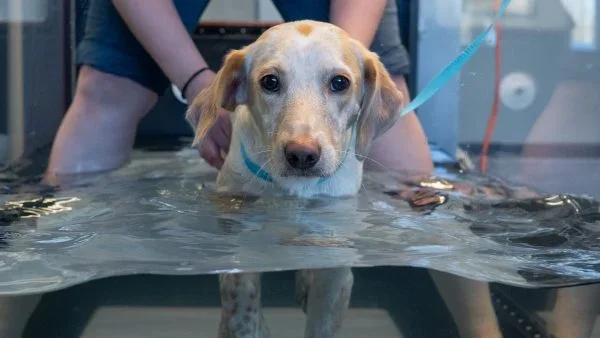
Hydrotherapy
-
What it Does: Warm water buoys the dog's weight, enabling exercise with minimal joint stress. Builds muscle and range of motion without impact.
-
Best For: Post-surgery recovery, arthritis, hip dysplasia, muscle atrophy
-
-
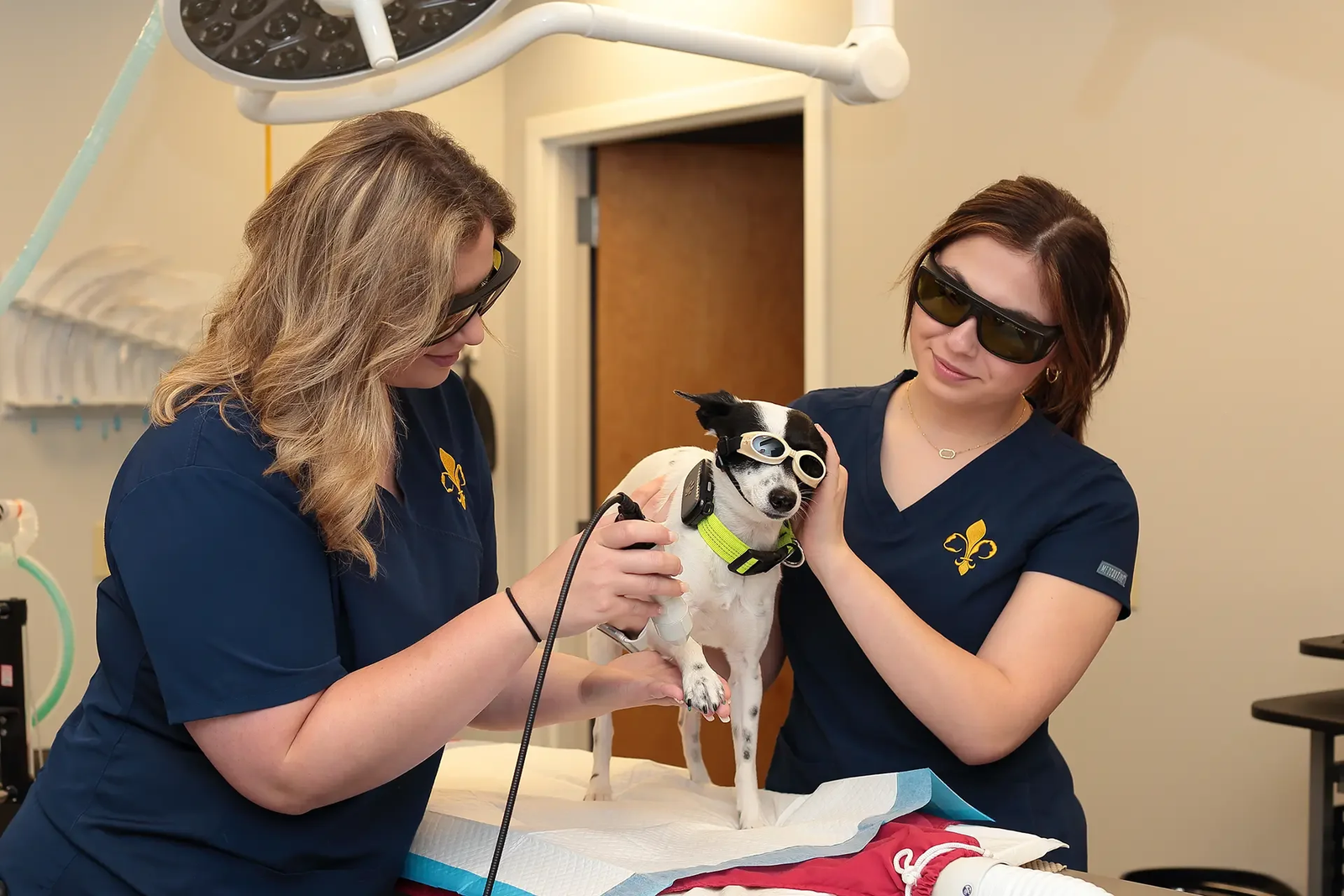
Laser Therapy
-
What it Does: Therapeutic light stimulates cellular healing and reduces inflammation. Non-invasive, painless, no sedation required.
-
Best For: Arthritis, wound healing, post-surgery, soft tissue injuries
-
-
Acupuncture
-
What it Does: Fine needles at specific points stimulate the nervous system and trigger natural pain-relieving compounds. Supported by research for musculoskeletal pain.
-
Best for: Arthritis, spinal pain, post-surgery, nerve damage
-
-
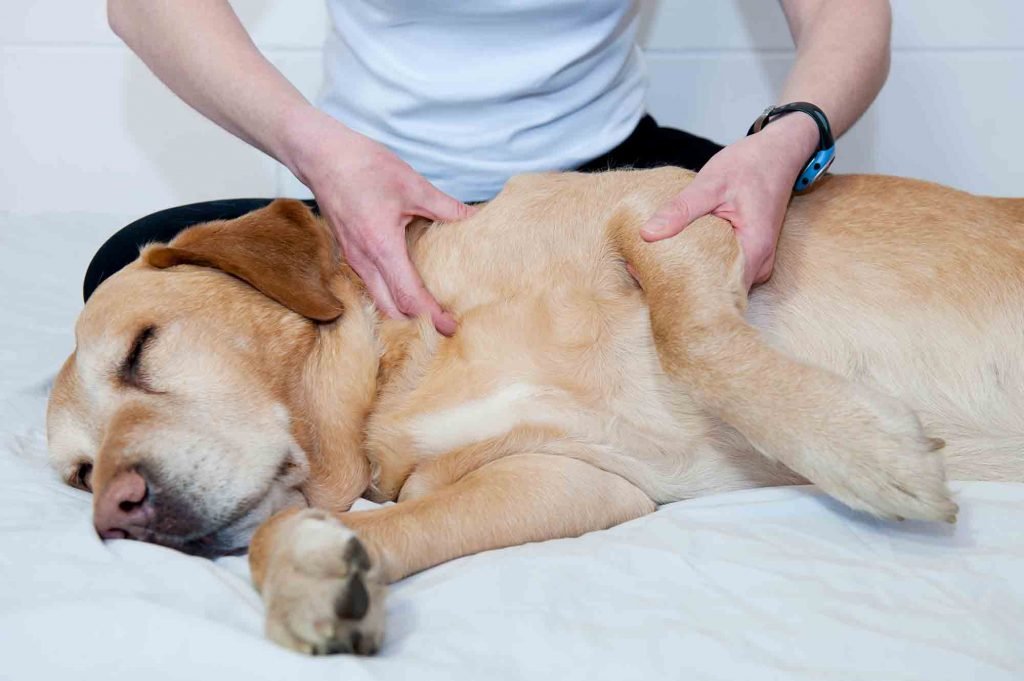
Therapeutic Massage
-
What it Does: Improves circulation, relieves muscle tension, reduces anxiety. Therapist can teach home techniques.
-
Best For: Muscle stiffness, anxiety, post-surgery, end-of-life comfort
-
-
Canine Rehabilitation
-
What it Does: Customized exercise program to rebuild muscle, restore range of motion, correct compensatory movement. CCRP or CCRT certified practitioners.
-
Best For: Any dog with chronic pain, post-surgical recovery, mobility decline
-
Finding a Specialist
• Veterinary rehabilitation: American College of Veterinary Sports Medicine and Rehabilitation, vsmr.org
• Veterinary acupuncture: International Veterinary Acupuncture Society, ivas.org
• Certified rehabilitation practitioners: Canine Rehabilitation Institute, caninerehabinstitute.com