
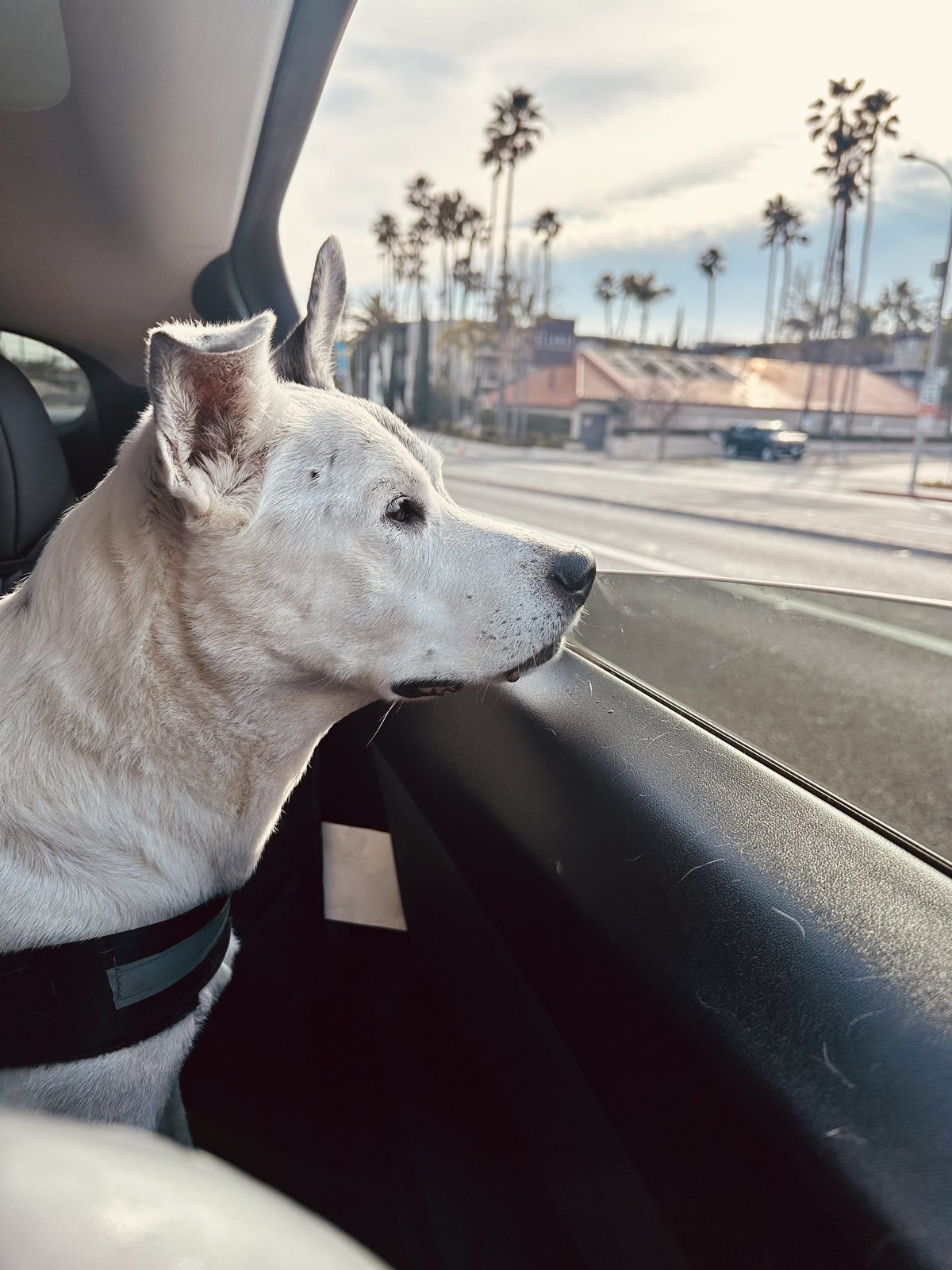
For most people, the acute pain of pet loss softens over time. The waves come less frequently, and eventually, more days feel manageable than not. This is not forgetting. This is healing.
But for some people, grief does not ease in this way. It deepens. It begins to affect daily functioning: the ability to work, to maintain relationships, to care for oneself. When grief does not move, when it holds you in place for months and the quality of your daily life is significantly affected, this is sometimes called complicated grief or prolonged grief, and it is worth taking seriously.
There is no shame in needing more support. The loss you experienced was real. A good therapist who understands grief, or a support group specifically for pet loss, can make a significant difference. You do not have to carry it alone.
Signs that professional support might help:
• You are unable to function in your daily life weeks or months after the loss
• You are having thoughts of self-harm
• Your grief is significantly worsening rather than slowly easing over time
• You feel completely isolated and unable to talk to anyone about how you feel